2025 Oil Market Trends: Key Insights into Rising Prices, OPEC Strategy, and Geopolitical Influences
Introduction
The global oil market has seen significant price fluctuations in recent months. As we move into 2025, understanding the underlying factors driving these changes is crucial for both consumers and investors. From OPEC's influence on production to geopolitical tensions, numerous variables are shaping the future of oil prices. In this post, we break down the latest oil market trends, exploring price movements, supply strategies, and geopolitical events that are driving these shifts.
Oil Price Movements in 2023: An Overview
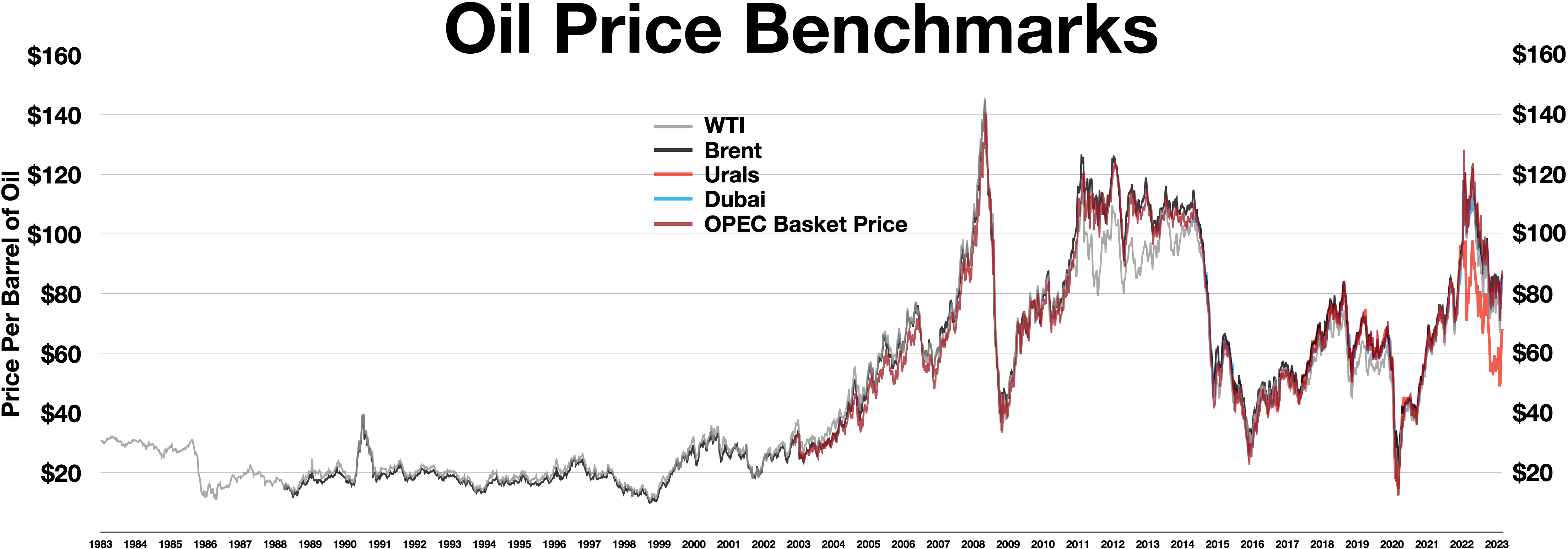
As of early 2023, oil prices have stabilized above $73 per barrel, showing resilience despite global economic uncertainties. From November to December, the market witnessed a bullish trend, marked by backwardation signals in Brent crude and WTI oil futures. This backwardation, where near-term futures prices are higher than longer-term ones, suggests a tightening supply and growing demand for oil. In response to this trend, Saudi Arabia raised its official selling prices for February, signaling confidence in the market's bullish outlook.
OPEC and Oil Production Outlook for 2025
OPEC Plus, which includes key oil-producing countries, holds an estimated spare production capacity of 4-5 million barrels per day. This surplus acts as a buffer against sudden price surges, helping to stabilize global oil markets. For 2023, experts forecast an average oil price of $75, with a potential price fluctuation of up to $15 per barrel. However, the possibility of seeing oil prices above $80 again hinges on OPEC's willingness to adjust production levels. These decisions will likely play a pivotal role in determining the market's future trajectory.
U.S. Oil Production and Exports: The Impact on Global Prices
The United States has cemented its position as the world’s largest oil producer and exporter. If U.S. production were to increase by 3 million barrels per day, OPEC Plus would likely raise output to counterbalance this surge, which could push oil prices down to $40 per barrel. While this might seem beneficial for consumers in the short term, such a drastic drop in prices could lead to a sharp reduction in U.S. oil production, creating a potential long-term imbalance in the market. Additionally, a fall in prices could dampen U.S. exports, which are crucial to the country's economy.
China’s Changing Oil Demand: A Global Concern
China’s demand for oil products has seen a slight decline of 400,000 barrels per day compared to last year. This drop contrasts with the country’s previous strong consumption growth, which had been around 500,000 barrels per day. China’s reduced oil demand could significantly impact global oil demand growth, especially in the context of its economic recovery. While there are hopes for a rebound in 2024, the current situation remains worrisome for the global oil market.
Geopolitical Tensions: The Wildcards in Oil Pricing
Geopolitical conflicts have long been a source of volatility in the oil market. The ongoing conflict between Ukraine and Russia continues to disrupt supply chains, leading to instability in global oil prices. Moreover, the potential for conflict between China and Taiwan could have far-reaching consequences for the global economy, possibly causing a reduction in oil demand. As countries vie for control of vital resources, including oil, metals, and food, the importance of securing energy supplies becomes ever more apparent.
Biden Administration’s Oil Policy: Environmental and Economic Balancing Act
Under the Biden administration, certain areas along the U.S. East Coast, the Gulf of Mexico, and the Pacific have been off-limits for new oil and gas development. This decision, aimed at protecting around 625 million acres of marine areas, reflects a balance between environmental considerations and economic risks. While these measures may limit future production, their impact on the overall oil market is expected to be moderate. However, should there be a shift in policy, especially under a future administration, such regulations could change rapidly.
Europe’s Natural Gas Market: A Ripple Effect on Oil
The natural gas market in Europe has also been a focal point of energy discussions, particularly with the interruption of Russian natural gas supplies. The rise and fall in natural gas prices throughout 2023 reflect broader trends that also impact oil markets. With winter weather adding unpredictability, the natural gas market’s volatility could put additional pressure on oil prices, further complicating the energy landscape.
The U.S. Strategic Petroleum Reserve: A Key Factor in Future Market Stability
The U.S. Strategic Petroleum Reserve (SPR) currently stands at only 50% capacity, a significant decline caused by emergency releases during the Ukraine crisis. As the U.S. continues to produce 13.5 million barrels of oil per day, with a portion coming from offshore production, the future of oil prices may be heavily influenced by the country’s ability to replenish its reserves. The SPR’s role in stabilizing prices in times of crisis will remain crucial in the coming years.
Conclusion
As we head into 2025, oil markets remain in a state of flux, influenced by a complex mix of production capacities, geopolitical developments, and shifting demand patterns. While the immediate future points to relatively stable prices, uncertainties in both global supply and political events mean that volatility is still a key concern. Monitoring these factors closely will be essential for anyone involved in the oil market, from producers to consumers.
Comments
Post a Comment