🦜 Amazon River Dolphins & the Amazon Rainforest Crisis
The Amazon River dolphin, a rare pink-toned species, faces growing threats due to deforestation and climate change. Discover how the Amazon rainforest regulates Earth's climate, the dangers of reaching an ecological tipping point, and sustainable solutions to protect this critical ecosystem.
The Unique Amazon River Dolphin
Deep in the Amazon’s winding rivers, a remarkable species swims—the Amazon River dolphin (Inia geoffrensis). Unlike marine dolphins, males of this species have a striking pink hue, believed to attract potential mates. These intelligent creatures have adapted to the rainforest’s flooded waterways, making them one of the most fascinating freshwater dolphins on Earth.
However, their habitat is under siege. The destruction of the Amazon rainforest poses an existential threat to these dolphins and countless other species. The ripple effects of this crisis extend far beyond the Amazon, influencing global weather patterns and climate stability.

🌳 The Amazon: A Dying Ecosystem?
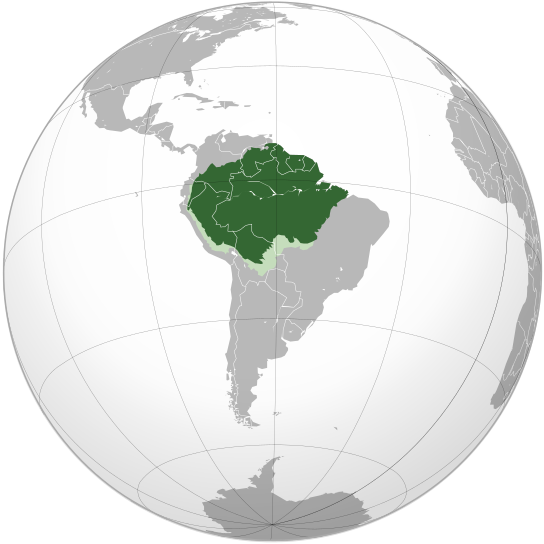
The Amazon rainforest, often referred to as the "lungs of the Earth," plays a crucial role in absorbing carbon dioxide and regulating global temperatures. However, it is disappearing at an alarming rate. As of 2022, 17% of the Amazon has been deforested, largely due to cattle ranching, logging, and agriculture.
🔺 The Tipping Point: An Irreversible Shift?
Scientists warn that we may be approaching a tipping point—a stage where the Amazon can no longer sustain itself.
Think of a brick wall. Removing one or two bricks won’t collapse it, but removing too many weakens the structure beyond repair. The Amazon functions similarly. As more trees are cut down, the entire ecosystem risks breaking down, potentially transforming the rainforest into a dry savanna.
The consequences of this shift would be devastating:
- Loss of biodiversity, including thousands of plant and animal species.
- Disruption of rainfall cycles, affecting agriculture across South America.
- Increased carbon emissions, accelerating global warming.
☁️ How the Amazon Regulates Earth’s Climate
🌿 The World’s Natural Air Conditioner
The Amazon acts as a massive air-conditioning system for the planet. Here’s how:
- With over 390 billion trees, the rainforest absorbs sunlight and cools the environment through evapotranspiration—a process where trees release moisture into the air.
- This moisture forms clouds, which reflect sunlight and create rainfall.
- The Amazon cycles an estimated 20 trillion liters of water per day, sustaining local and global weather patterns.
Without the Amazon’s cooling effect, temperatures will rise, and droughts will become more frequent.
🌎 The Amazon’s Global Impact
The Amazon may be in South America, but its influence extends worldwide. Changes in temperature and atmospheric pressure within the rainforest can disrupt ocean currents and wind patterns across the globe.
🌪️ The Domino Effect on Weather
If 40% of the Amazon is lost, scientists predict:
- Reduced rainfall in Argentina’s farmlands, threatening food production.
- 50% less snowfall in California’s Sierra Nevada, worsening drought conditions.
- 20% less rainfall along the U.S. Pacific Northwest, impacting water supplies.
These disruptions could lead to severe climate shifts, water shortages, and economic instability worldwide.
💰 Economic Dilemmas: Profit vs. Sustainability
🌾 The Short-Term Gains of Exploiting the Amazon
If completely converted for agriculture, mining, and logging, Brazil’s Amazon region could generate $98 billion annually. However, this comes at an enormous cost—irreversible ecosystem destruction.
♻️ A More Profitable Long-Term Alternative
Sustainable practices—such as reforestation, responsible agriculture, and ecotourism—can provide long-term economic benefits while preserving the Amazon. Countries that invest in forest conservation can generate more wealth over time without depleting natural resources.
🌱 What Can Be Done to Protect the Amazon?
🙌 The Role of Indigenous Communities
The Amazon is home to over 1.5 million Indigenous people who have lived in harmony with the rainforest for centuries. Their knowledge and conservation efforts are crucial in protecting this fragile ecosystem.
- Deforested areas outside Indigenous lands released 270 million tons of carbon into the air.
- In contrast, Indigenous-managed territories removed 300 million tons of carbon, proving their ability to maintain ecological balance.

🛑 How Consumers Can Help
You don’t have to live in the Amazon to make a difference. Small consumer choices can have a big impact:
- Support brands that use sustainable materials and avoid products linked to deforestation (like unsustainably sourced soy and beef).
- Donate to rainforest conservation organizations that work to protect the Amazon.
- Plant trees—reforestation efforts help restore lost habitats and promote biodiversity.
🌍 The Social Consequences of Amazon Destruction
Deforestation isn’t just an environmental crisis—it’s a humanitarian issue.
- Many Indigenous communities are losing their land, threatening their way of life.
- Climate change is forcing people to migrate, leading to social conflicts and economic strain.
- Protecting the Amazon isn’t just an environmental responsibility—it’s a global duty to future generations.
🔮 The Future of the Amazon
The Amazon’s future depends on decisions made today. Governments, businesses, and individuals all have a role to play.
Every action—whether it's choosing sustainable products, supporting conservation efforts, or raising awareness—helps in the fight to save the rainforest.
The Amazon has sustained life on Earth for millennia. Now, it’s time for us to return the favor.
What are your thoughts on Amazon conservation? Share your insights below and be part of the conversation!
Comments
Post a Comment