Amelia Earhart's Final Flight: The Tragic End of a Groundbreaking Journey
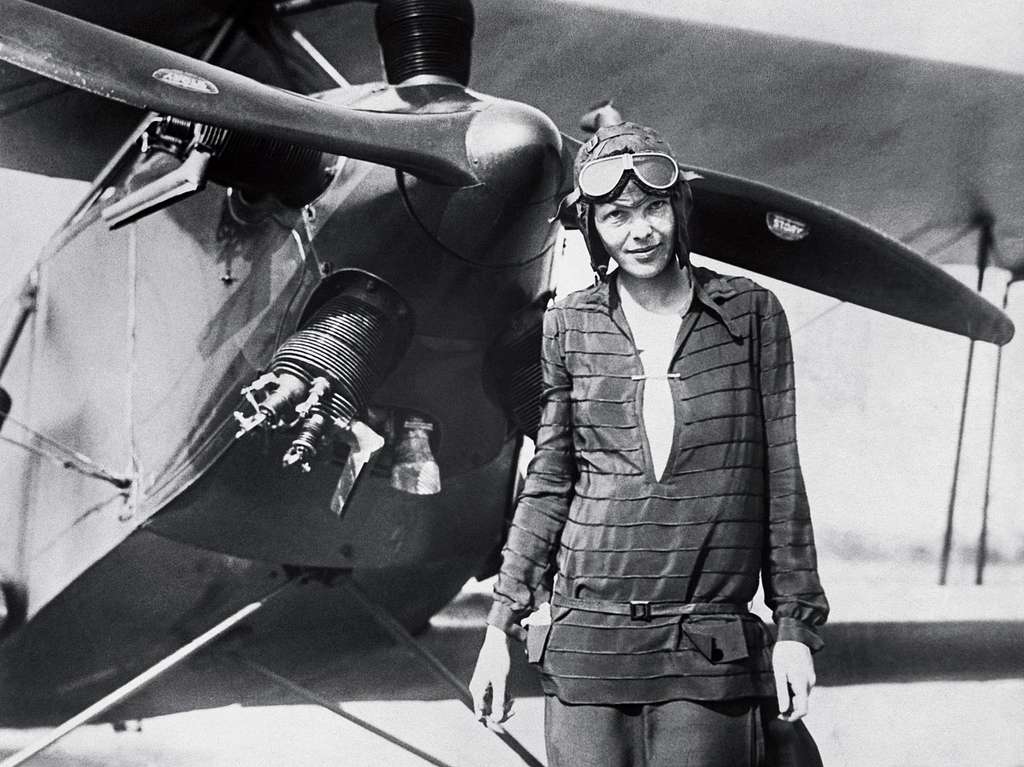
On July 2, 1937, Amelia Earhart, one of the most famous aviators in history, encountered critical problems during her ambitious attempt to circumnavigate the globe. Her final message, sent over the radio, became a haunting reminder of the perilous nature of her mission and the challenges she faced in an era of limited technology. This blog post explores the details of Earhart's final flight, the crucial decisions that led to her disappearance, and the lessons we can learn from this tragic event.
Table of Contents:
- The Challenging Flight Plan and Its Ambitions
- Modifications to the Aircraft for the Journey
- Howland Island and the Importance of Refueling
- The Role of Navigation and Communication
- The Final Transmission and Disappearance
- Lessons Learned from Amelia Earhart's Flight
- Conclusion: Remembering Amelia Earhart
1. The Challenging Flight Plan and Its Ambitions
Amelia Earhart's goal was to become the first woman to fly around the world. Her planned route would take her across some of the most treacherous stretches of the globe, including a flight over the Pacific Ocean. The journey was set to test both her skills and the limits of aviation technology.
Departure from Lae, New Guinea
Earhart's flight began in Lae, New Guinea, one of the busiest airports in the world at the time. From here, she would attempt to cross the Pacific, a feat that no other pilot had successfully completed at the time.
The Lockheed Electra Aircraft
Earhart was piloting a Lockheed Electra, a twin-engine monoplane capable of flying long distances. This aircraft was crucial for her plans, but it was also a vessel that had its own limitations when it came to endurance and fuel capacity.
2. Modifications to the Aircraft for the Journey
In 1937, aircrafts were not capable of flying the vast distances required for such a journey without modifications. Earhart made several key adjustments to her Lockheed Electra to maximize its range, but some of these changes would later contribute to her difficulties.
Weight Reduction for Greater Range
To make the aircraft lighter, Earhart removed all unnecessary items from the plane, including insulation. This helped reduce the weight but resulted in higher engine noise and discomfort during the flight.
Fuel Tank Modifications
To increase the range, Earhart replaced the passenger seats with additional fuel tanks, turning her plane into a flying fuel tank. While this modification gave her more fuel for the journey, it also altered the plane’s balance and overall flight dynamics.
3. Howland Island and the Importance of Refueling
A crucial part of Earhart's route was the refueling stop at Howland Island, a small, remote island located between Hawaii and Australia. This island would serve as a lifeline during her Pacific crossing.
The Island's Strategic Location
Howland Island, just 2 kilometers long and 1 kilometer wide, was an ideal place for refueling. Despite its small size, it became a vital point in Earhart’s journey. The island was under U.S. ownership and would be a critical part of her navigation strategy.
The Need for a Refueling Runway
Earhart had written to President Franklin D. Roosevelt to ensure that a runway was available on Howland Island for the refueling process. Without this, her journey would be in jeopardy.
4. The Role of Navigation and Communication
Navigation was one of the most difficult aspects of Earhart's flight. Despite having a skilled navigator, Fred Noonan, on board, their journey was fraught with challenges due to the reliance on primitive methods of navigation.
Dead Reckoning and Celestial Navigation
Earhart and Noonan used dead reckoning, a technique of calculating their position based on speed and direction. They also employed celestial navigation, using the positions of the sun, moon, and stars to determine their location.
Errors in Navigation
Unfortunately, small errors in their calculations accumulated over time, causing them to drift off course and putting them further from their intended destination.
5. The Final Transmission and Disappearance
As Earhart’s fuel began to run low, she made her final transmission. At 7:42 AM, she reported: “We must be on you but cannot see you. But gas is running low.” These words marked the beginning of a search operation that would become one of the most expensive in U.S. history.
The Search for Earhart
After receiving the final transmission, the U.S. Navy launched an extensive search mission. The operation would cost approximately $4 million, making it one of the most costly search efforts in history. Despite the extensive search, neither Earhart nor Noonan were ever found.
6. Lessons Learned from Amelia Earhart's Flight
The disappearance of Amelia Earhart is a story filled with valuable lessons. Many believe that her tragic end could have been avoided if key mistakes had been addressed earlier in the flight.
Lack of Knowledge and Responsibility
Earhart's lack of familiarity with the limitations of her radio system may have contributed to the failure in communication. Meanwhile, the ship Itasca, which was positioned near Howland Island, was aware of Earhart's communication challenges but could not assist her effectively.
The Importance of Accurate Navigation and Technology
Earhart's flight shows the importance of accurate navigation and reliable communication in long-distance flights. In the absence of modern GPS and advanced communication systems, small errors could have disastrous consequences.
7. Conclusion: Remembering Amelia Earhart
Amelia Earhart’s courage and ambition inspired generations of women to pursue careers in aviation and beyond. Her final flight remains a symbol of determination in the face of adversity. Though the circumstances of her disappearance remain a mystery, her legacy endures, reminding us of the risks and rewards of pioneering endeavors.
Comments
Post a Comment