Title: Australia's Struggle with Housing Crisis, Environmental Concerns, and Social Challenges in 2025
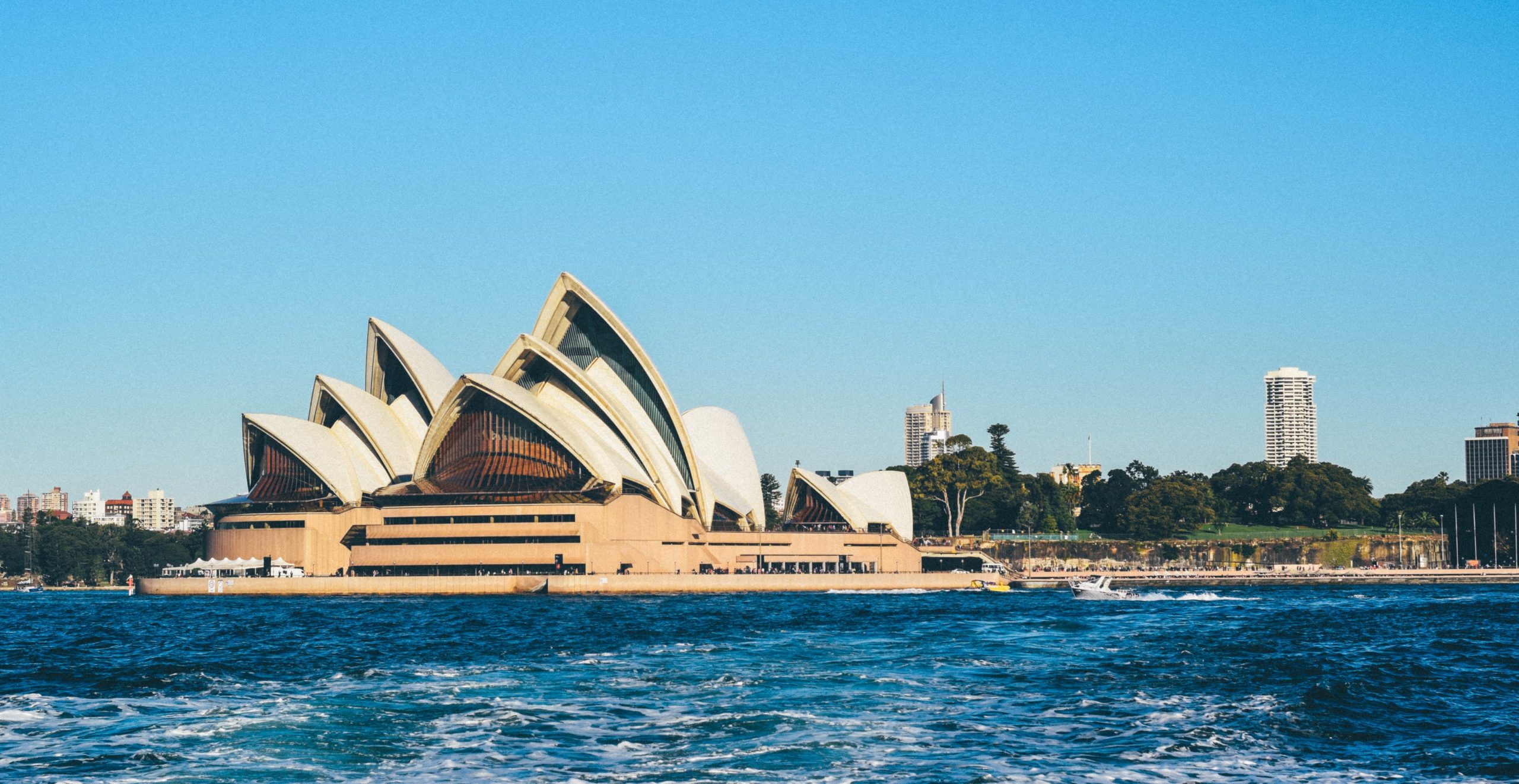
Australia, once known for its prosperity and natural beauty, now faces a multitude of critical issues that are reshaping its future. From housing shortages to environmental clashes, the nation is grappling with complex problems that demand urgent attention and collaboration. A recent BBC World Service program, World Questions, featured a panel of experts discussing these challenges in-depth, including Katy Gallagher, Australia's Treasurer, John Pesutto, a leading opposition politician, Sarah Hanson-Young, a Green Senator, and Alexandra Smith, a political editor for the Sydney Morning Herald. This post explores the key issues they addressed, offering insight into Australia's current state and the potential solutions.
1. The Housing Crisis: Is There a Way Forward?
One of the most pressing issues discussed was the severe housing shortage that Australia is currently facing. With skyrocketing property prices—now up to 9 times the average income—many young Australians are finding it nearly impossible to afford homes. The government's ambitious plan to build 1.2 million homes in the next five years has yet to meet its targets. As the country’s urban areas expand, the question arises: Can we balance housing development with environmental protection?
The Housing vs. Environment Debate
Madeleine, a key panelist, raised the conflict between housing development and environmental conservation. In regions where housing demand is highest, the available land is often ecologically sensitive, creating a tension between growth and sustainability.
Sarah Hanson-Young of the Greens emphasized the importance of building on existing urban areas to minimize environmental harm. She proposed making better use of underutilized land, while also addressing the lack of public services and transport infrastructure.
Meanwhile, John Pesutto argued that the government is failing to properly respond to the population boom, with many families struggling to afford homes priced at over a million dollars. This rising inequality in housing affordability poses a serious challenge for Australia’s future.
2. A Cultural Shift: Rethinking Homeownership
As housing prices climb, it’s becoming clear that traditional notions of homeownership may no longer be realistic for the average Australian. Alexandra Smith suggested that the culture of owning a home should be reconsidered. With a growing shift toward higher-density living, Australians might need to embrace apartment living and other urban solutions rather than clinging to the dream of a detached house.
Katy Gallagher, the Treasurer, agreed, noting that housing supply must be seen as a priority across all levels of government. The shortage isn't just about building more homes; it’s about creating the necessary infrastructure to support those homes, including education, healthcare, and transport services.
3. Indigenous Australians: Closing the Gap
Another critical issue discussed was the quality of life for Indigenous Australians. Ceinwen Gearon raised questions about how Australia plans to improve conditions for its Indigenous population. Katy Gallagher responded by emphasizing the importance of programs like Closing the Gap, which aims to reduce health disparities and improve educational outcomes for Indigenous communities.
While progress has been made, the panelists agreed that there is still a long road ahead in ensuring equal opportunities for all Australians, especially those in remote communities.
4. Healthcare Challenges: Access and Affordability
Healthcare is another major concern, particularly in rural areas where medical services are scarce. Helen Chisholm asked about the shortage of doctors in inland New South Wales, with many regions facing difficulties attracting healthcare professionals.
Katy Gallagher acknowledged the problem, calling for more investment in medical training and international recruitment to address the shortage of general practitioners (GPs). However, Sarah Hanson-Young criticized the systematic underfunding of regional healthcare services, urging greater support for rural communities.
5. The Future of International Education in Australia
International education has long been a pillar of Australia's economy, but with the uncertainties surrounding visa policies and the global landscape, the future of this sector remains in question. Dennis Tolkach posed a question about how Australia plans to support its education sector amidst these challenges.
Gallagher discussed the policy uncertainties that have affected the sector, such as the introduction of a soft cap on student visas and prioritizing regional universities. Alexandra Smith emphasized the economic benefits international students bring to Australia, while Sarah Hanson-Young stressed the role of education as a soft diplomatic tool in Australia’s global strategy.
Conclusion: Finding Balance Amidst Growing Challenges
Australia's current challenges reflect broader global trends, but they also highlight unique issues that require specific solutions. From addressing the housing crisis and environmental concerns to ensuring equal opportunities for Indigenous Australians and improving healthcare in rural areas, the country’s leaders must collaborate to create sustainable, inclusive policies for the future. The conversation continues, but finding balance will be key to Australia's success in the years to come.
By addressing these issues head-on, Australia can continue its progress toward a more equitable and sustainable future.
Comments
Post a Comment