Exploring Aristotle's Vision of the Good Life: A Deep Dive into Nicomachean Ethics
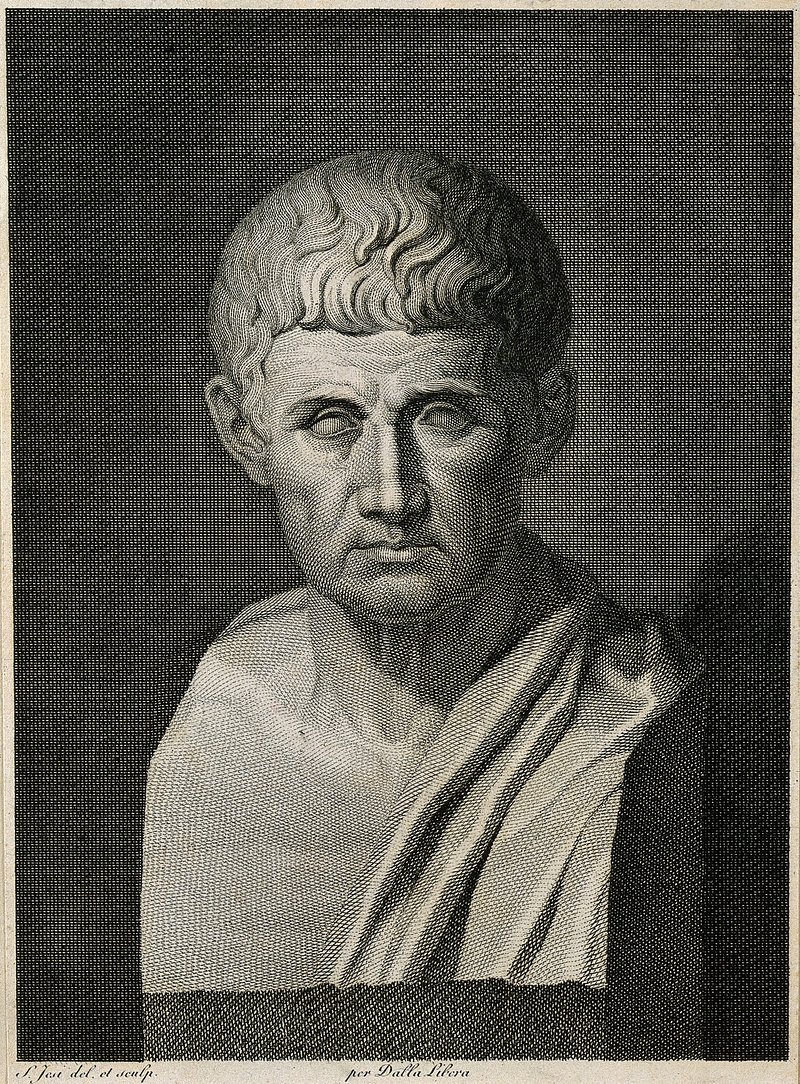
Aristotle, one of the greatest philosophers in history, dedicated much of his life to answering a fundamental question: "What is the best life for a human being?" This query is at the heart of his work, Nicomachean Ethics, a text that explores ethics and the nature of human flourishing. In this post, we'll explore the major themes of Aristotle's philosophy and how they can guide us toward understanding the good life, focusing on his ethical theory and its lasting influence.
Table of Contents
- Aristotle’s Life and Philosophical Background
- Aristotle’s Ethical Theory: Virtue Ethics
- The Role of Happiness and Virtue
- The Development of Virtue and Practical Wisdom
- The Importance of Friendship
- The Life of Contemplation: Aristotle’s Ideal Life
- Criticisms of Aristotle's Elitism
- Striving for a Better World
- Conclusion
Aristotle’s Life and Philosophical Background
Born in 384 BCE in Stagira, Greece, Aristotle was a student of Plato and later became the tutor to Alexander the Great. His life spanned several key periods in Greek philosophy, and his works became foundational for both ancient and modern thought. He is often considered one of the greatest philosophers, alongside figures like Plato, Kant, Hegel, and Spinoza. Throughout his career, Aristotle focused on various fields, from logic and science to ethics and politics, with Nicomachean Ethics being one of his most important works.
In his Nicomachean Ethics, Aristotle explores the question of what constitutes a good life for humans. His answer goes beyond mere happiness or pleasure; it is about living a life of virtue and rational activity, which, in turn, leads to true fulfillment.
Aristotle’s Ethical Theory: Virtue Ethics
Aristotle’s ethical framework, known as virtue ethics, contrasts sharply with other ethical systems, such as utilitarianism or deontological ethics. According to Aristotle, the good life is not just about achieving certain goals or following strict rules; rather, it is about cultivating virtues and living in accordance with reason. Aristotle defines virtue as the disposition to act in ways that benefit both the individual and society.
His ethics are grounded in the concept of the "Golden Mean," the idea that virtue lies between two extremes of excess and deficiency. For example, courage is the virtue between the extremes of recklessness (excess) and cowardice (deficiency). This middle ground is where true virtue and flourishing are found.
The Role of Happiness and Virtue
For Aristotle, happiness (or eudaimonia) is the ultimate goal of life. He defines happiness not as a fleeting emotional state, but as a life lived in accordance with reason and virtue. Happiness is an activity, not a passive experience, and it involves striving for excellence in all aspects of life.
Aristotle emphasizes that happiness cannot be achieved without virtue. He argues that all other goods—wealth, health, and fame—are only valuable insofar as they contribute to living a virtuous life. In this view, the pursuit of happiness is inseparable from the pursuit of virtue.
The Development of Virtue and Practical Wisdom
Aristotle believes that virtue is not innate, but developed through practice and education. The development of virtue occurs in two stages: first, through training, and second, through the cultivation of practical wisdom (phronesis). Practical wisdom allows individuals to make sound judgments about how to act in any given situation.
For Aristotle, this development of virtue is central to living a good life. He stresses the importance of balance and the need for individuals to act in accordance with reason, continually striving for the mean between excess and deficiency.
The Importance of Friendship
Aristotle believed that friendship is an essential element of the good life. In fact, he identified three types of friendships:
- Friendships of pleasure: These are based on mutual enjoyment and are typically short-lived.
- Friendships of utility: These arise from mutual benefit, but again, they lack lasting value.
- Complete friendships: These are based on mutual respect for each other's virtues. Aristotle considered these the highest form of friendship, as they lead to the most fulfilling and meaningful relationships.
Aristotle believed that true friendship, grounded in virtue, is essential for living a life of happiness and meaning.
The Life of Contemplation: Aristotle’s Ideal Life
Aristotle argued that the highest form of human activity is contemplation, or the life of the mind. This contemplative life, which involves the pursuit of knowledge and truth, is the most complete and self-sufficient form of happiness. Aristotle believed that this life is uniquely human, as it engages our rational faculties, distinguishing us from animals.
While a life of contemplation may not be accessible to everyone, Aristotle saw it as the ideal way of life for those capable of it, and a key element of the good life.
Criticisms of Aristotle's Elitism
One common criticism of Aristotle's philosophy is that his theory is elitist. Critics argue that his emphasis on wealth, leisure, and education suggests that only the privileged few can achieve the good life. While Aristotle’s ideas were undoubtedly shaped by the social and political realities of his time, some modern scholars suggest that his ethics should be understood as aspirational rather than exclusive.
In any case, Aristotle’s emphasis on virtue and the rational pursuit of excellence offers valuable insights for people of all backgrounds who strive to lead a meaningful and fulfilling life.
Striving for a Better World
While Aristotle's ideal life may seem difficult to attain, he believed that it is our duty to strive for it, not only for ourselves but for the betterment of society. He stressed the importance of cultivating a life of virtue, promoting the common good, and fostering relationships that encourage personal growth.
Aristotle's ethics remind us that we have a responsibility to improve the world around us. Whether through education, work, or community involvement, the pursuit of the good life is not just a personal endeavor, but a collective one.
Conclusion
Aristotle's exploration of the good life in Nicomachean Ethics remains a timeless guide to understanding human flourishing. By focusing on virtue, rationality, and the pursuit of happiness, Aristotle offers a compelling vision of a life well-lived. His insights continue to shape modern ethics, reminding us that living a good life requires ongoing effort, self-reflection, and a commitment to both personal and collective well-being.
Whether you are seeking to improve your own life or contribute to a better society, Aristotle's teachings can offer a profound and lasting influence.
Comments
Post a Comment