Living on Urban Rooftops: The Reality of City Life in a Changing World
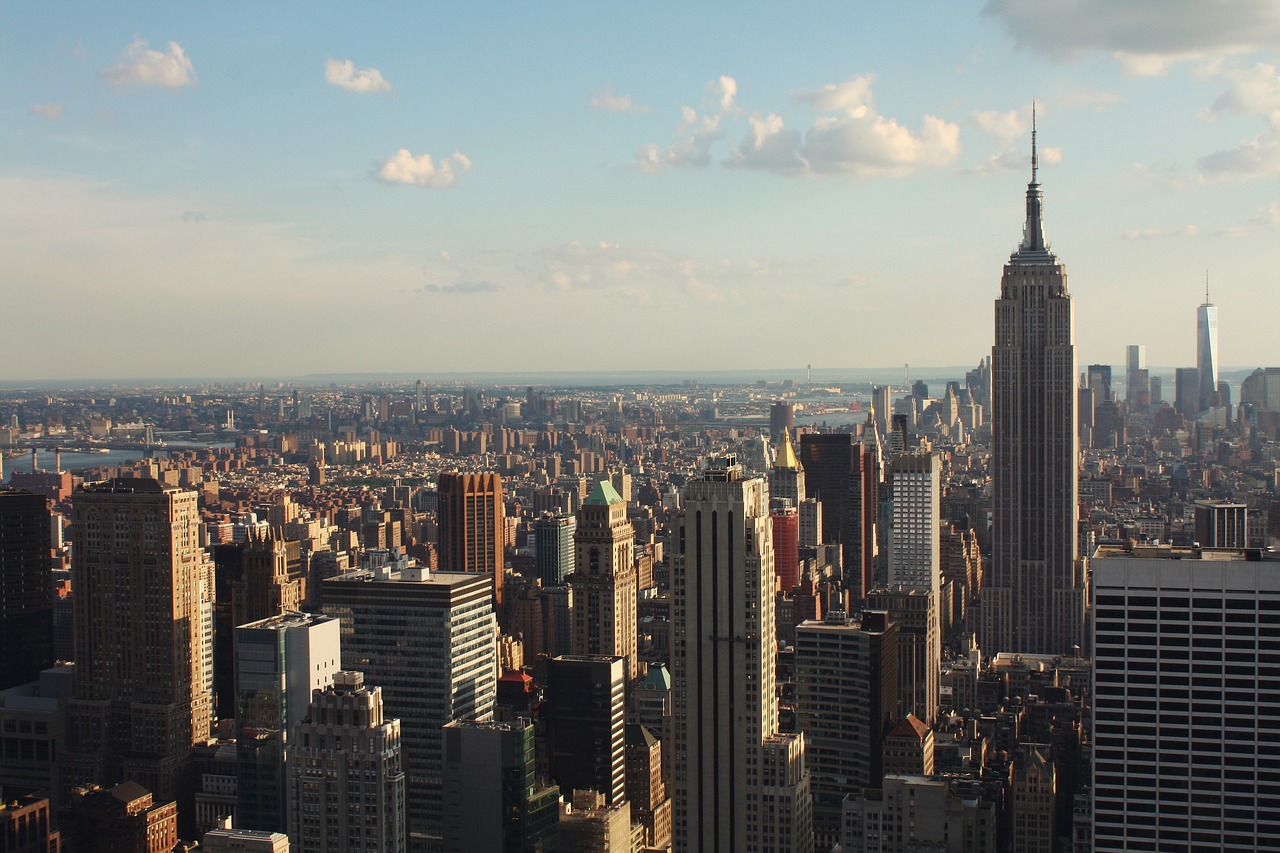
The rising population density in urban areas has led to creative solutions for housing and agriculture, one of the most notable being the use of rooftops. As cities become more crowded, rooftops are being transformed into gardens, small farms, and even living spaces. In some places like Hong Kong, this transformation has reached extremes, with thousands of people living in illegal rooftop slums. This article explores the complex reality of rooftop living and its potential to change urban life.
Table of Contents
- The Rise of Rooftop Living in Cities
- The Reality of Hong Kong's Rooftop Slums
- The Struggles of Rooftop Life
- The Allure of Penthouse Living
- The Historical Shift in Rooftop Usage
- The Evolution of Rooftop Gardens
- The Importance of Green Space in Urban Areas
- The Future of Urban Agriculture
- The Impact of Typhoons on Rooftop Dwellers
1. The Rise of Rooftop Living in Cities
As urban population density continues to grow, the need for innovative housing solutions has become more pressing. Cities around the world are increasingly looking upwards, with rooftops being converted into living spaces, small farms, and even communal gardens. This trend is most apparent in places like Hong Kong, where limited space forces people to adapt in creative ways.
Rooftops are not just being used for gardens and small-scale farming; they are also becoming full-fledged living environments. In some cases, entire communities live on rooftops, often in makeshift homes, as a result of a shortage of affordable housing.
2. The Reality of Hong Kong's Rooftop Slums
One of the most extreme examples of rooftop living is found in Hong Kong, where thousands of people reside in illegal rooftop slums. These residents, often working-class individuals, have nowhere else to go due to the skyrocketing cost of living in the city.
Mr. A's Story: Mr. A, who moved to Hong Kong in his twenties to work in construction, has lived on a rooftop for decades. Now in his seventies, he occupies a sturdy penthouse built on the roof, which stands out as the only proper home amidst the makeshift cardboard houses of his neighbors. His experience is emblematic of the challenges many face in these urban slums, where basic living conditions often clash with the realities of life in a densely populated city.
3. The Struggles of Rooftop Life
Living on a rooftop in an urban environment comes with numerous challenges, particularly when it comes to the climate. Mrs. A, a resident of a rooftop slum in Hong Kong, talks about the difficulties of living on the roof, especially during the summer heat and frequent typhoons. The absence of adequate shelter and the risk of extreme weather events make rooftop living a precarious choice for many.
While some dream of moving into modern public housing, the long waiting lists and high demand make it an elusive goal. This situation highlights the wider issue of affordable housing in cities worldwide.
4. The Allure of Penthouse Living
In stark contrast to the hardships of rooftop slums, penthouses represent the height of luxury and exclusivity. These top-floor apartments provide breathtaking views and unparalleled privacy. In New York City, penthouses are considered the ultimate symbol of wealth and status, with some properties selling for hundreds of millions of dollars.
Central Park Tower, currently one of the most expensive residences in the world, offers a $250 million penthouse. This shows how rooftop living, while struggling at the lower economic levels, can also be an expression of extreme luxury at the top.
5. The Historical Shift in Rooftop Usage
The use of rooftops has changed significantly over the years. Historically, rooftops were simply a place to store items or hang laundry. However, in the early 20th century, the idea of rooftop living began to gain traction. In 1904, the Ansonia building in New York opened as a hotel and later transformed into luxury apartments, complete with a rooftop terrace that had once been used for farming. By the 1920s, rooftop living began to grow in popularity, as people sought to escape the crowded streets below.
6. The Evolution of Rooftop Gardens
Today, rooftop gardens are a common feature of urban landscapes, although only a small percentage of rooftops have them. In New York City, only about 1% of rooftops feature gardens, but this trend is growing. These gardens not only serve as recreational spaces but also as tools to reduce energy consumption. White-painted roofs, often used in urban areas, help reflect heat and reduce the need for air conditioning.
The advent of "cool roofs" has helped reduce the urban heat island effect, providing a more sustainable urban environment and contributing to the overall energy efficiency of the building.
7. The Importance of Green Space in Urban Areas
Green spaces in cities are vital for the mental and physical well-being of residents. John D. Rockefeller Jr., in the 1930s, envisioned the creation of rooftop gardens on every building in the Rockefeller Center in New York. This initiative was part of a broader movement to provide green spaces in urban areas, offering a respite from the concrete jungle.
Rooftop gardens became a public attraction during the Great Depression, allowing people to reconnect with nature even in the midst of financial hardship.
8. The Future of Urban Agriculture
Rooftop farms are not just a trend but a necessity for cities like Hong Kong, which rely heavily on imported food. Over 90% of the food consumed in Hong Kong is imported, making the city highly vulnerable to disruptions in global supply chains. As urbanization reduces the amount of available land for farming, there is a growing need for agricultural spaces within city limits.
Rooftop farming offers a potential solution, allowing cities to become more self-sufficient while also addressing food security concerns. Research into rooftop agriculture continues to grow, and governments are exploring policies to encourage its development.
9. The Impact of Typhoons on Rooftop Dwellers
In Hong Kong, typhoons are a major threat to residents living on rooftops. Typhoon SAA recently hit the city, but the damage was less severe than expected. Nevertheless, for those like Mr. A, who live in vulnerable rooftop slums, even a minor storm can have significant consequences. While Mr. A remains relatively unaffected, he has expressed a desire to move into government housing, though his preference for independence and the freedom of rooftop life complicates this decision.
The ongoing challenges of living on rooftops in storm-prone regions highlight the resilience of urban populations but also the need for better infrastructure and support systems.
Conclusion: Rooftop Living as a Double-Edged Sword
Rooftop living presents both opportunities and challenges. From the illegal slums of Hong Kong to the luxurious penthouses of New York, rooftops offer a wide range of living experiences. As cities continue to grow, the importance of integrating green spaces and sustainable agricultural practices into urban designs becomes increasingly clear. The future of rooftop living may well hold the key to making our cities more livable, resilient, and self-sufficient.
Comments
Post a Comment