Mastering Capitalism with Costco: The Untold Secrets Behind Its Success
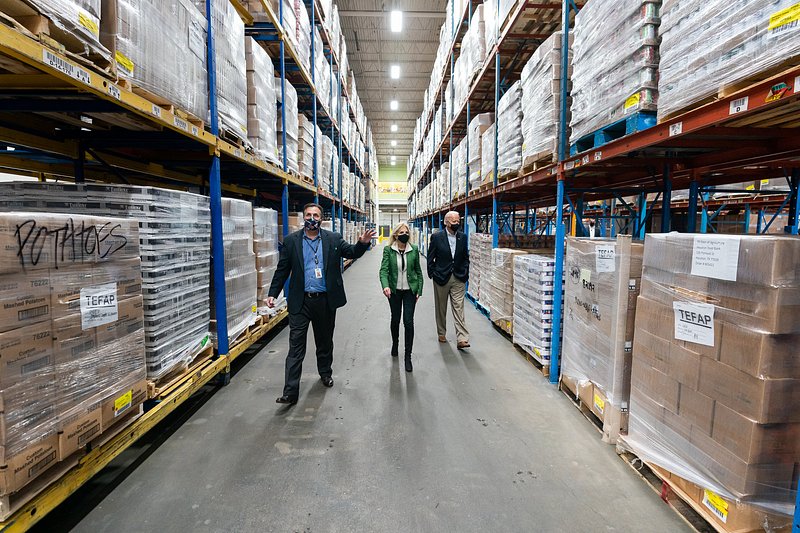
Costco isn't just a store—it's a phenomenon. This warehouse giant has redefined the retail landscape with a unique business model that competitors still struggle to understand. From the humble beginnings of its innovative founder to its current status as a global retail powerhouse, Costco has proven that simplicity, value, and customer loyalty are the keys to its success.
Table of Contents
- Costco's Historical Background
- The Visionary Behind Costco: Saul Price
- Costco’s Revolutionary Business Model
- Psychological Factors and Customer Loyalty
- Ethical Standards and Vendor Relations
- Employee Welfare and Company Culture
- Challenges Ahead: Future Competition
- The Changing Subscription Economy
1. Costco's Historical Background
Costco's success story is built on over three decades of retail wisdom. The company’s journey began in 1983, when it was founded with an innovative idea that changed the game for discount retailers worldwide. Saul Price, a retail visionary, played a pivotal role in shaping Costco's future.
Costco's rise to prominence didn’t happen overnight. It took years of strategic planning, market understanding, and relentless focus on value. Despite the rise of other retail giants, Costco continues to thrive, with annual revenue surpassing $250 billion and over 900 warehouses worldwide.
2. The Visionary Behind Costco: Saul Price
Saul Price is one of the most influential figures in the retail industry. His innovative ideas formed the foundation of Costco's existence. Price’s Price Club (founded in 1976) was the precursor to Costco’s unique membership model. The approach, initially exclusive to business members, later expanded to include general consumers.
Sam Walton, the founder of Walmart, famously stated that he borrowed many of his business ideas from Saul Price. This early vision of membership-based bulk buying has transformed the retail industry and remains a key element of Costco’s success today.
3. Costco’s Revolutionary Business Model
Costco’s business model focuses on simplicity, value, and efficiency. With over 890 warehouses globally, Costco generates billions in revenue primarily through membership fees, which account for a significant portion of its profits.
What sets Costco apart from other retailers is its commitment to keeping operations lean. Their store designs are minimalistic, with an emphasis on customer experience. Shoppers quickly move through large, open spaces, encouraging faster purchases. Costco’s product turnover is incredibly high, a direct result of their quick sales strategies and reduced inventory costs.
4. Psychological Factors and Customer Loyalty
Costco’s membership model isn’t just a revenue source—it’s a psychological strategy that enhances customer loyalty. By paying for the privilege of shopping, customers feel an inherent value in making purchases, often leading to more spontaneous buying behavior.
Additionally, Costco’s limited selection and constantly changing inventory reduce decision fatigue, making it easier for customers to make purchases. This curated approach to retail creates an environment where shoppers are more likely to buy without excessive contemplation, boosting Costco’s overall sales.
5. Ethical Standards and Vendor Relations
Costco’s approach to business is grounded in strong ethical standards, particularly in its vendor relationships. With a massive membership base, Costco holds significant leverage in negotiations with suppliers. Despite this power, Costco strives to maintain fairness and transparency in its dealings.
The company’s ethical principles are simple yet powerful:
- Obey the law.
- Take care of customers.
- Support employees.
- Respect suppliers.
These guiding principles ensure that Costco maintains a positive reputation and continues to thrive in a competitive marketplace.
6. Employee Welfare and Company Culture
Costco's commitment to employee welfare is one of the cornerstones of its business. The company is known for offering competitive wages, with an average hourly wage of $26—substantially higher than competitors like Walmart ($19.50).
In addition to attractive pay, Costco provides robust benefits, including healthcare, 401K plans, and a culture of internal promotions. Almost all managerial roles are filled internally, fostering employee loyalty and satisfaction. This strong company culture has contributed to an impressively low turnover rate—only 5% after one year.
7. Challenges Ahead: Future Competition
Despite its success, Costco faces ongoing competition from both traditional retailers like BJ’s Wholesale and Sam’s Club, and newer e-commerce giants like Amazon. With an average membership age of 50, Costco must adapt to attract a younger customer base.
In response to changing market dynamics, Costco has recently implemented measures like stricter membership sharing policies and modest membership fee increases to ensure its continued growth.
8. The Changing Subscription Economy
Costco’s membership-based model remains a strong value proposition for customers. However, subscription fatigue is rising, with more companies adopting similar membership models. Costco’s approach to pricing, however, continues to resonate with customers due to its perceived value, making it a lasting competitor in the subscription economy.
In 2024, Costco raised its membership fees for the first time in seven years, signaling a shift in the retail landscape. While this may increase customer resistance, Costco's value-focused strategy ensures that most of its loyal customers will continue to flock to its stores.
Conclusion
Costco’s approach to capitalism is a testament to the power of simplicity, value, and customer loyalty. While the retail landscape continues to evolve, Costco’s commitment to its founding principles ensures it will remain a dominant player in the global market.
Comments
Post a Comment