Rediscovering Sleep: The Forgotten History and Patterns of Rest
Sleep is a vital component of human survival and well-being, yet its history and evolution reveal fascinating insights that challenge modern conventions. From forgotten sleep patterns to the societal shifts that shaped how we rest, this blog delves into the past and present of sleep.
Table of Contents
- The Extraordinary Case of Paul Kern
- Why Sleep is Essential
- Modern Challenges to Sleep
- The Discovery of Biphasic Sleep
- How Biphasic Sleep Worked
- Changes in Sleep Patterns Over Time
- Social Amnesia and Forgotten Sleep Habits
- The Complexities of Modern Sleep
The Extraordinary Case of Paul Kern
In 1915, during World War I, Hungarian soldier Paul Kern was shot in the head during combat with Russian forces. Against all odds, he survived but lost the ability to sleep entirely. Astonishingly, Kern lived for 35 years without sleep, a medical anomaly that continues to baffle researchers. His case exemplifies the mysteries surrounding human sleep and its biological necessity.
Why Sleep is Essential
Sleep is not just a luxury but a biological imperative for survival. It serves numerous critical functions, including:
- Toxin Clearance: The brain removes waste products during sleep.
- Memory Processing: Consolidation of information occurs while resting.
- Health Maintenance: Sleep supports immune function, emotional regulation, and physical recovery.
Despite this, science still grapples with fully understanding why sleep is indispensable for all living beings.
Modern Challenges to Sleep
Today, millions face sleep-related issues due to societal and occupational demands:
- Stressful Jobs: Many workers endure physically and mentally taxing jobs with minimal opportunities for growth.
- Disrupted Schedules: Irregular work hours interfere with natural sleep cycles.
Programs like Triple 10 Bootcamp, which helps people transition to higher-paying tech roles, highlight the growing need to address modern workforce challenges that impact sleep.
The Discovery of Biphasic Sleep
The concept of biphasic sleep, or segmented sleep, emerged in the 1990s when historian Roger Ekirch studied historical records and literature. A notable example appears in Charles Dickens’ novel Barnaby Rudge, where the term “first sleep” is mentioned, hinting at a forgotten tradition of sleeping in two phases.
Historical evidence shows this pattern was prevalent in medieval Europe, with over 2,000 documented cases highlighting its significance.
How Biphasic Sleep Worked
Biphasic sleep involved two distinct sleep periods:
- First Sleep: Starting around 9 PM and lasting a few hours.
- Wakeful Period: Known as the "watch," people engaged in activities such as prayer, household chores, or visiting neighbors.
- Second Sleep: Another rest period before morning.
Unlike naps, this pattern divided the night into two full blocks of rest, adapting to the natural cycles of darkness and light.
Changes in Sleep Patterns Over Time
The transition from biphasic to monophasic sleep aligns with societal changes:
- The Advent of Artificial Lighting: In the 18th century, innovations like candles and gas lamps extended evening activities.
- Social Shifts: Coffeehouses and nightlife began to flourish, pushing bedtime later.
- Urbanization: The industrial revolution introduced rigid work schedules, reinforcing a single, continuous sleep pattern.
Social Amnesia and Forgotten Sleep Habits
Roger Ekirch suggests that society's shift to monophasic sleep resulted from a collective “social amnesia.” Conversations about sleep became rare, and over time, people forgot earlier sleep habits. By the 20th century, biphasic sleep had all but disappeared.
The Complexities of Modern Sleep
Sleep remains a topic of ongoing scientific exploration. While monophasic sleep is now the norm, some argue that biphasic sleep might be more natural for humans. Online communities and experimental studies continue to explore alternative sleep patterns.
Key Takeaways:
- Sleep patterns are deeply influenced by cultural, technological, and societal factors.
- Biphasic sleep may offer insights into more flexible, adaptable rest.
- Modern lifestyles challenge traditional notions of sleep, creating opportunities for rethinking what works best for individuals.
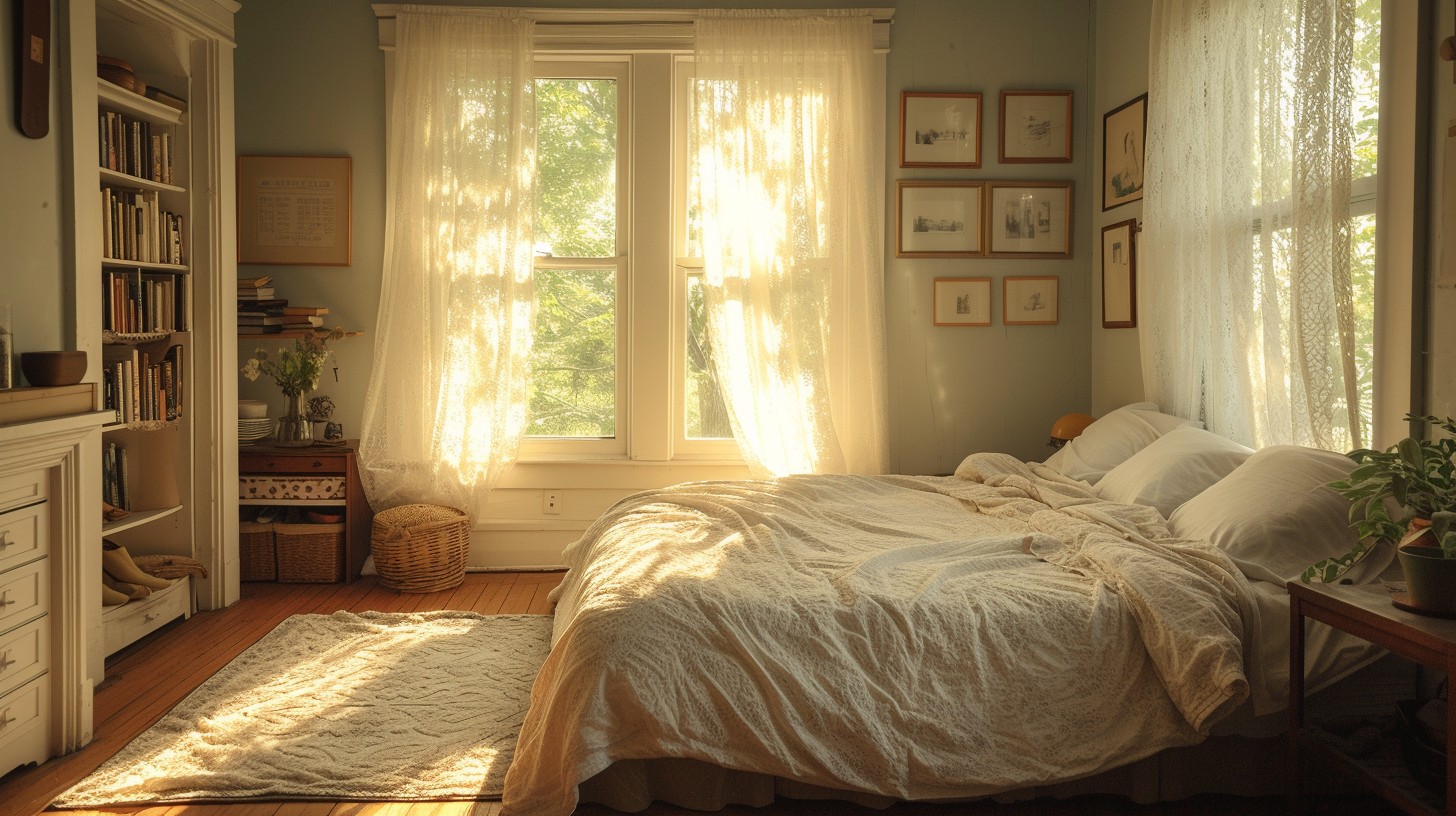
By revisiting the history of sleep and its evolving patterns, we gain a deeper appreciation for this essential yet enigmatic human need.
Comments
Post a Comment