Surviving the Deadly Environments of Our Solar System: A Deep Dive into Extreme Conditions
Exploring outer space and its celestial bodies is one of humanity's greatest scientific endeavors. While we dream of exploring distant planets and moons, the harsh environments in our solar system pose insurmountable challenges. In this post, we will take you on a journey through the extreme conditions on Venus, Mercury, Mars, and beyond—explaining why human survival is virtually impossible in these environments.
The Deadly Atmosphere of Venus: A Fate Worse Than Death
Venus, often called Earth's "sister planet," has an atmosphere that could be the last place you'd want to visit. The surface pressure on Venus is 92 times that of Earth’s, which would immediately crush any human or spacecraft that tried to land.
Extreme Pressure: Crushing Your Survival Chances
The immense pressure on Venus would distort any spacesuit within seconds. Upon landing:
- 0 seconds: The spacesuit begins to compress under the immense pressure.
- 1 second: The suit’s integrity is compromised.
- 2 seconds: Skin and muscles are crushed under the unbearable pressure.
- 3 seconds: Blood vessels burst, organs begin to fail, and consciousness fades.
Even before you can attempt to take a breath, the suffocating atmosphere and unbreathable gases would render survival impossible.
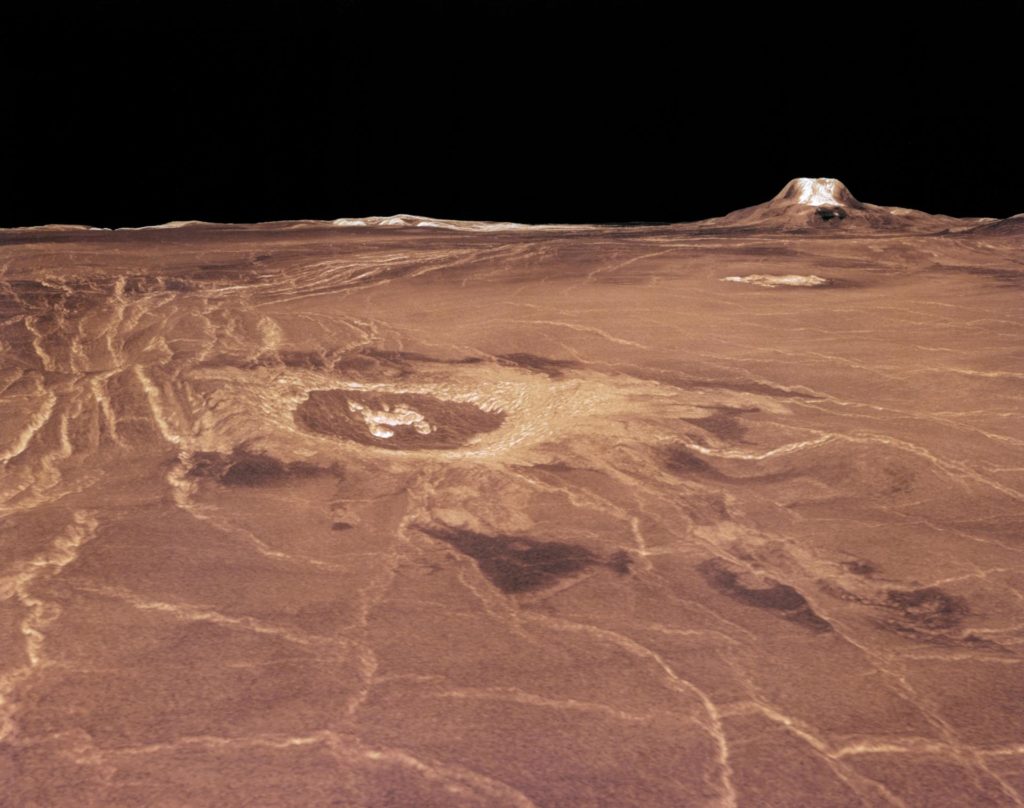 |
| Venus's surface is unforgiving, with temperatures hot enough to melt metal. |
Scorching Heat: A Furnace Beyond Comprehension
The temperature on Venus hovers around 465°C (869°F)—hotter than Earth's boiling point. This heat can cause severe heatstroke within moments. After:
- 1 minute: Your body temperature would rapidly rise, and heatstroke symptoms would begin to appear.
- 5 minutes: You would lose consciousness, suffering severe organ damage due to the unrelenting heat.
If the pressure doesn’t get you, the heat surely will.
Toxic Atmosphere: Breathing Isn't an Option
Venus’s atmosphere is composed mostly of 96.1% carbon dioxide—rendering any attempt to breathe futile. Toxic sulfuric acid rains add another layer of danger, corroding spacesuits and causing severe burns to skin.
Venus Survival Rating: 0/10
Mercury: Extreme Temperature Swings Make Survival Impossible
As the closest planet to the Sun, Mercury experiences extreme temperature fluctuations. Due to its lack of atmosphere, the planet has no way of retaining heat, making both the day and night conditions hazardous.
Freezing Nights and Scorching Days
- Nighttime: Mercury's surface temperature drops to -180°C (-292°F), causing severe hypothermia within minutes.
- Daytime: Temperatures rise to 427°C (800°F), similar to a scorching oven.
Without a suit designed for both extreme heat and cold, surviving on Mercury is a deadly gamble.
.jpg) |
| Mercury's surface can swing from freezing cold to extreme heat within hours. |
Mercury Survival Rating: 2/10
Mars: A Hostile World on the Edge of the Habitability Zone
Mars, often considered the most likely candidate for human colonization, is a fascinating but perilous world. Its thin atmosphere, lack of liquid water, and harsh weather conditions present severe risks for any potential colonizer.
Thin Atmosphere and Deadly Dust Storms
Mars’s atmosphere is 100 times thinner than Earth’s, making it impossible to breathe without a spacesuit. Furthermore, it is composed mostly of carbon dioxide.
- 0 seconds: Without a spacesuit, your blood would boil due to the low atmospheric pressure.
- 7 minutes: Death from the lack of oxygen and extreme pressure would occur almost instantly.
In addition, Mars dust storms can sweep across the planet, disabling equipment and leaving no hope for survival.
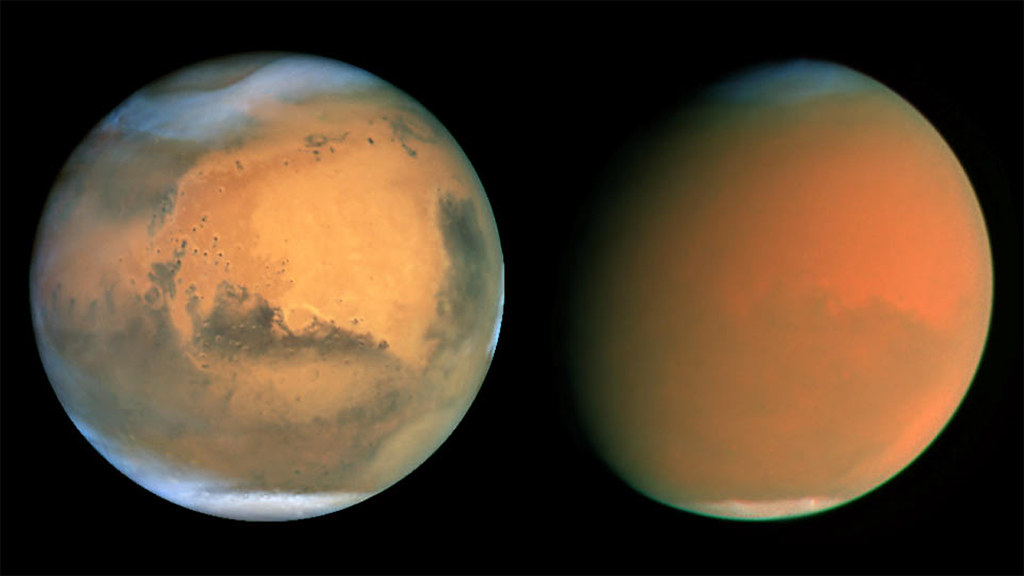 |
| Mars’s dust storms can significantly damage equipment and threaten life. |
Mars Survival Rating: 3/10
Jupiter: A Gas Giant's Deadly Dance with Lightning and Violent Storms
Jupiter, the largest planet in our solar system, is a gas giant known for its powerful storms and extreme conditions. The planet’s thick atmosphere, filled with hydrogen and helium, presents serious challenges for explorers.
Unpredictable Weather and Violent Storms
Jupiter’s atmosphere is filled with powerful winds reaching 360 km/h (224 mph) and lightning storms capable of destroying space probes. The planet’s low atmospheric pressure and intense storms would make it almost impossible to survive for more than a few moments outside a spacecraft.
Jupiter Survival Rating: 5/10
Saturn: A Gaseous Behemoth with Treacherous Rings and Powerful Winds
Saturn, another gas giant, has winds so violent they reach speeds of 1,800 km/h (1,100 mph). Its rings, made of ice and rock, move at an astounding 70,000 km/h (43,000 mph)—posing collision risks for any spacecraft attempting to get close.
The Danger of Colliding with Saturn’s Rings
The gravitational forces at Saturn could cause a spacecraft to disintegrate upon entry. Its high winds and stormy atmosphere create a deadly combination that makes any close approach a deadly endeavor.
 |
| Saturn's rings pose significant risks to spacecraft due to their speed and debris. |
Saturn Survival Rating: 8/10
Uranus: A Frozen World with Deadly Gas
Uranus is known for its extreme cold and methane-rich atmosphere, which can be lethal to any human who attempts to land.
Freezing Temperatures and Toxic Gases
With temperatures reaching -224°C (-371°F), Uranus is one of the coldest planets in the solar system. The atmosphere contains 2% methane, which is toxic and could cause death if inhaled.
Uranus Survival Rating: 2/10
Neptune: The Fastest Winds and Deadliest Atmosphere
Neptune is a world of extremes, with winds that reach a staggering 2,100 km/h (1,300 mph). These high-speed winds create deadly turbulence that could tear apart any spacecraft attempting to land.
Intense Winds and Crushing Gravity
Neptune’s strong gravity would put immense pressure on the human body, making it nearly impossible for humans to survive the conditions for long.
Neptune Survival Rating: 2/10
Pluto: A Frozen World on the Edge of the Solar System
Pluto, though once considered the ninth planet, now resides as a dwarf planet. With temperatures plummeting to -239°C (-398°F), survival would be impossible without highly advanced life-support systems.
Freezing Cold and Icy Atmosphere
- 30 seconds: If a spacesuit were compromised, frostbite and death would occur quickly.
- 2 minutes: Complete loss of consciousness as the body succumbs to the extreme cold.
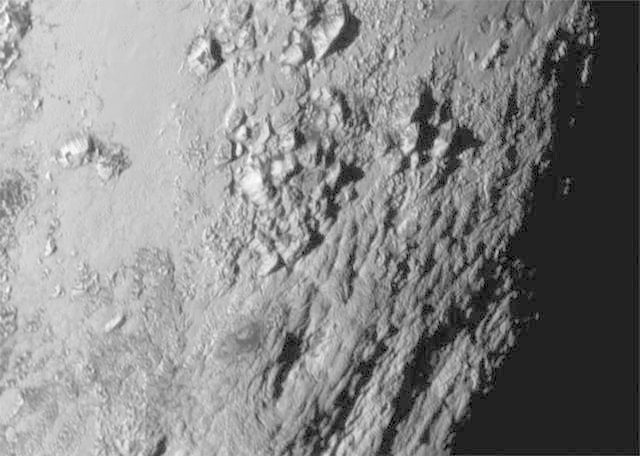 |
| Pluto’s surface remains frozen and inhospitable to human life. |
Pluto Survival Rating: 7/10
Conclusion: The Dangers of Space Exploration
The universe is filled with celestial bodies that, while fascinating, are often inhospitable to human life. From the crushing pressure of Venus to the deadly cold of Pluto, space exploration remains a perilous journey that requires cutting-edge technology and immense courage.
As humanity continues to look to the stars, understanding the dangers of space is key to ensuring that our future missions are successful. The more we know, the better equipped we will be to face the extremes of space.
Related Links:
Comments
Post a Comment