Title: The Barefoot Bandit: How Colton Harris-Moore Outwitted Authorities and Stole Planes
Introduction
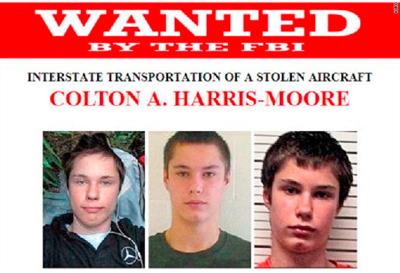
Colton Harris-Moore, also known as the "Barefoot Bandit," became a notorious figure for his extraordinary ability to evade law enforcement while committing a string of daring crimes, most notably stealing airplanes. Despite his criminal activity, Harris-Moore's story is one of a troubled youth navigating a chaotic upbringing and discovering his passion for flight. This blog post delves into his early life, his crime spree, and how he became a figure both feared and admired for his audacity.
1. A Tumultuous Childhood: The Early Years of Colton Harris-Moore
Colton Harris-Moore was born on March 22, 1991, in Mount Vernon, Washington, in the Scagit Valley Hospital. His childhood was far from ideal, growing up with two alcoholic parents, Gordon Moore and Pamela Cola. These unstable conditions led to a fragmented family life, with Colton's father leaving when he was very young and his mother often struggling to maintain financial stability. Colton’s early life was marked by neglect, physical abuse, and a lack of emotional support, which shaped his future criminal behavior.
I
2. A Desire to Escape: The Birth of the Barefoot Bandit
By the age of four, Colton developed an obsession with airplanes, using this passion as an escape from his tumultuous home life. This love for flight would become a defining feature of his criminal career, as he would later go on to steal multiple aircrafts, evading authorities for years. His fascination with birds and the act of flying served as a coping mechanism for dealing with his family's instability and abuse.
3. A Life on the Run: Colton's Crime Spree
Harris-Moore's crime spree began with small thefts and escalated to more daring acts, including stealing cars, boats, and eventually, airplanes. He managed to outwit law enforcement across several states and countries, committing crimes at an astonishing rate. His ability to evade capture and his audacity in committing high-profile crimes earned him the nickname "The Barefoot Bandit" because he often operated without shoes, leaving no footprints for authorities to trace.
4. How the Authorities Were Baffled
Despite being on the run for several years, Harris-Moore baffled both local and federal authorities, including the FBI. His ability to steal and fly planes, as well as his quick thinking in evading capture, made him a legend in the eyes of many. The media coverage of his crimes further fueled the mystery surrounding him, with many intrigued by how a teenager could pull off such high-profile heists.
5. The End of the Run: Colton's Capture
After a years-long spree of thefts, Harris-Moore's luck ran out. In 2010, he was captured in the Bahamas, after evading authorities across three countries. His capture marked the end of one of the most audacious crime sprees in modern history. Harris-Moore was eventually sentenced to prison, but his story remained captivating, especially given his non-violent crimes and the sheer audacity of his actions.
6. The Legacy of the Barefoot Bandit: A Complex Figure
Colton Harris-Moore’s story is one of both tragedy and fascination. While he committed hundreds of crimes, he never resorted to violence, making him a somewhat sympathetic figure in the eyes of some. His audacity and skill in evading the law have made him a folk hero of sorts, though his troubled upbringing and the crimes he committed still cast a shadow over his legacy. His story serves as a reminder of how childhood trauma can shape individuals in complex and unpredictable ways.
Conclusion
Colton Harris-Moore, the Barefoot Bandit, remains an enigmatic figure in modern crime history. His remarkable ability to outwit authorities, combined with his passion for flight, made him both a notorious criminal and an unlikely folk hero. His story is a stark reminder of the impact that a troubled upbringing can have on a person’s future, as well as the power of an individual’s desire to escape their circumstances.
Comments
Post a Comment