Title: "The Birth of Earth: A Journey Through Our Planet's 24-Hour Timeline"
Introduction: Our planet’s history spans billions of years, but what if we could compress that time into just one day? Imagine Earth’s entire lifespan – from its chaotic formation to the rise of human civilization – unfolding in the span of 24 hours. In this blog post, we explore how Earth's history would look if we condensed it into a single day, providing a captivating perspective on the evolution of life, major events, and the emergence of humanity.
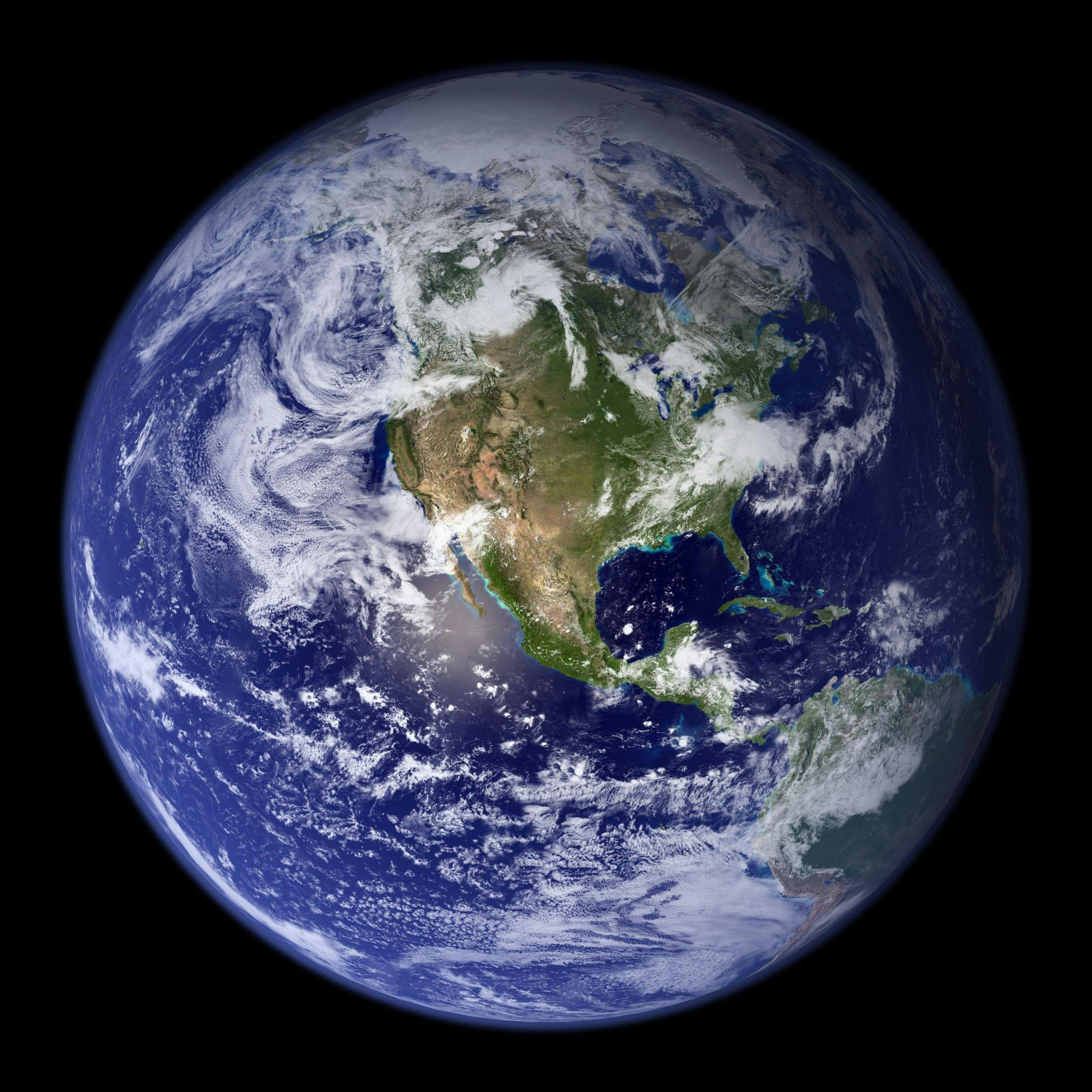
1. Earth's Formation and the Birth of Oceans (First 6 Hours)
The Sun's Birth and Earth’s Formation: At the dawn of Earth's history, the Sun was born as a new star, surrounded by a cloud of gas and dust. Over time, these materials began to form planets, with Earth gradually taking shape. Within the first 6 hours, Earth was a molten mass, struggling to cool down and form solid ground.
The Creation of the Moon: Approximately 6 hours into Earth's history, a cataclysmic event took place – a collision with Thea, a Mars-sized planet, led to the formation of the Moon. This collision also slowed Earth’s rotation, making our days longer over time.
Temperature Shifts and Growing Oceans: As the molten Earth cooled, water vapor condensed, forming vast oceans. This transformation marked the beginning of Earth's more hospitable conditions.
2. The Dawn of Life: Birth of Organic Molecules (1 Hour 52 Minutes)
Chemical Evolution and the Rise of Life: Around 1 hour 52 minutes, the first organic molecules began to form. Volcanic activity contributed to this process, with hot water streams enriching Earth’s deep waters. These primordial conditions became the natural chemical laboratories that produced amino acids, RNA, and proteins, laying the groundwork for life.
The Emergence of Cells: At 4 hours 30 minutes, the first simple cells appeared, marking the birth of life on Earth. These cells formed the basis of all subsequent biological evolution.
3. The Oxygen Explosion and Evolution of Life (11 Hours 35 Minutes)
The Great Oxygenation Event: At 11 hours 35 minutes, cyanobacteria began to release large amounts of oxygen into the atmosphere, sparking what is known as the “Great Oxygenation Event.” This caused a massive shift in Earth's environment, making the atmosphere more conducive to complex life forms.
The Toxicity of Oxygen and Evolution of New Life Forms: While oxygen was toxic to many early life forms, certain bacteria adapted to use it, ushering in an era of oxygen-based energy. This marked the birth of eukaryotes, complex cells that formed the foundation for all multicellular organisms.
4. The Emergence of Plants, Animals, and the Rise of Complex Life (21 Hours 34 Minutes)
The First Land Plants: Around 21 hours 34 minutes, the first land plants began to appear. These early plants were similar to modern mosses and played a critical role in shaping Earth's atmosphere, paving the way for more complex ecosystems.
Animals on Land: By 21 hours 40 minutes, the first land animals emerged. These were the ancestors of today’s insects, spiders, and millipedes.
The Age of Fish: Around 21 hours 50 minutes, the oceans teemed with diverse fish species, marking the beginning of the Devonian period, often called the “Age of Fish.”
5. The Age of Dinosaurs: Rise and Fall (22 Hours 48 Minutes - 23 Hours 39 Minutes)
The Dawn of Dinosaurs: At 22 hours 48 minutes, the first dinosaurs appeared. These creatures were initially small and lizard-like but quickly evolved into the diverse range of species that would dominate Earth for millions of years.
The Meteor Impact and Dinosaur Extinction: By 23 hours 39 minutes, a massive asteroid collided with Earth, triggering a global extinction event. The dinosaurs perished, but their extinction paved the way for mammals to rise.
6. The Rise of Mammals and the Birth of Humankind (23 Hours 40 Minutes - 23 Hours 59 Minutes)
Post-Extinction Recovery: In the aftermath of the extinction event, ecosystems began to recover. Within minutes, mammals started to evolve, filling the ecological niches left by the dinosaurs.
The Evolution of Primates: Around 23 hours 40 minutes, small primates, similar to today’s lemurs, appeared. These early primates gradually adapted to life on the ground and began evolving into the ancestors of modern humans.
The Rise of Homo sapiens: At 58 seconds before midnight, Homo sapiens, the modern human species, emerged in Africa. Human evolution took off with the development of tools, culture, and, eventually, civilization.
The Neanderthal Extinction: At 59 seconds, the Neanderthals went extinct, but some of their genetic legacy persists in modern humans.
7. The Agricultural Revolution and the Modern World (Last Few Seconds)
The Birth of Agriculture: The final moments of Earth’s 24-hour timeline saw the advent of agriculture, fundamentally changing human societies. This began the Neolithic Revolution, laying the foundation for cities, empires, and technological advancements.
Technological Achievements: In the last second, humans made significant advancements, from constructing monumental structures like the pyramids to developing the internet. These achievements have forever altered Earth’s future trajectory.
Conclusion: From the fiery birth of Earth to the development of modern civilizations, our planet's history is rich and complex. Compressing it into a 24-hour timeline gives us a unique perspective on the incredible events that have shaped life as we know it. From the first cells to the rise of technology, humanity has come a long way in just a fraction of Earth’s long history. How will the next moments in our planet’s history unfold?
Comments
Post a Comment