The Dark Advice of Machiavelli: Power, Fear, and Political Survival
Niccolò Machiavelli remains one of history’s most controversial figures, often associated with ruthless and morally corrupt politics. His writings, especially The Prince, have sparked debates about the ethical dilemmas in leadership, power, and governance. Here, we explore his key principles that continue to resonate in modern political discussions.
Table of Contents
- Who Was Machiavelli?
- The Rise of Machiavelli's Political Career
- Human Nature and Power: The Machiavellian View
- The Power of Fear over Love
- Using Fear as a Political Tool
- Maintaining Power: The Machiavellian Approach
- The Separation of Politics and Morality
- The Fox and the Lion: A Ruler’s Dual Nature
- Machiavelli’s Dangerous Legacy
Who Was Machiavelli?
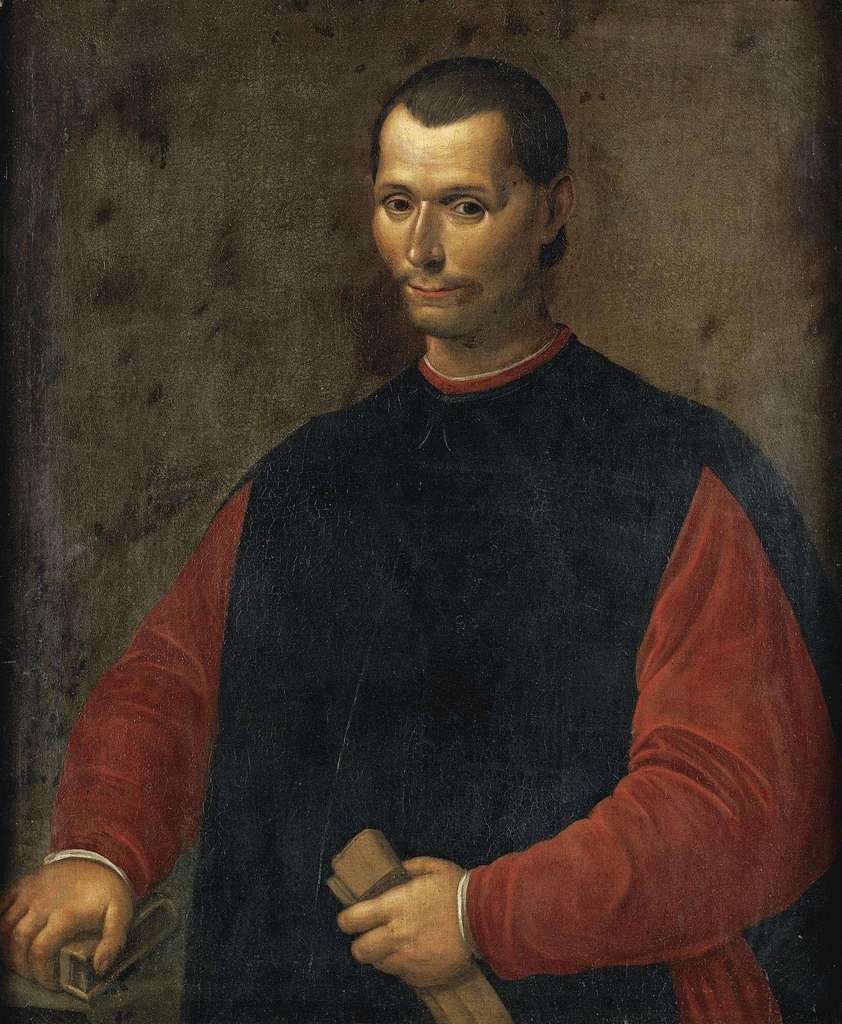
Niccolò Machiavelli was born on May 3, 1469, in Florence, Italy, during a time of political instability and constant warfare. Italy was not a unified nation but a collection of city-states like Florence, Venice, Milan, and the Papal States, each vying for power. This volatile backdrop shaped Machiavelli’s views on politics and power.
Living under the Medici family’s rule, Machiavelli witnessed firsthand the impact of political intrigue, corruption, and betrayal. His early life and career were deeply influenced by these turbulent events, leading him to develop a unique perspective on political survival.
The Rise of Machiavelli's Political Career
Machiavelli’s political journey began in 1498 when he was appointed as the Second Secretary of Florence. His rise coincided with the execution of the controversial monk Girolamo Savonarola, a turning point that marked the political instability in Florence.
As Secretary, Machiavelli was responsible for diplomatic missions, military affairs, and advising the Florentine rulers. This role exposed him to the complex and often ruthless world of European politics, laying the foundation for his later writings, particularly The Prince, a guide to political power and survival.
Human Nature and Power: The Machiavellian View
Machiavelli had a rather cynical view of human nature. He saw humans as inherently selfish, hypocritical, and driven by personal interests. For him, politics was not about lofty moral ideals but about practical, effective strategies for gaining and maintaining power. He famously asserted, “Trust no one and you’ll never be blindsided.” This view highlights his belief that rulers must be pragmatic and, when necessary, amoral.
Machiavelli's analysis of human nature is deeply intertwined with his political philosophy. For him, the pursuit of power often required unethical actions, as moral considerations were secondary to the goal of political survival.
The Power of Fear over Love
One of the most debated concepts in Machiavellian philosophy is the idea that it is “far safer to be feared than loved.” Machiavelli argued that while love is fleeting and unreliable, fear provides a ruler with a more enduring and controllable force. According to him, people are more likely to remain loyal if they fear the consequences of disobedience, as opposed to being motivated by affection.
This perspective is grounded in Machiavelli’s understanding of human nature, where self-preservation and personal interest outweigh emotional connections. A ruler who instills fear can control their subjects more effectively than one who seeks their love.
Using Fear as a Political Tool
Machiavelli believed fear to be a crucial tool in ensuring political stability. He used Cesare Borgia, a notorious Italian nobleman, as an example of how fear could be wielded effectively. Borgia’s brutal tactics ensured his dominance and stability within his territories, which Machiavelli admired despite their moral ambiguity.
He stated, “People should either be caressed or crushed.” This maxim encapsulates his belief that rulers must take extreme measures, when necessary, to maintain control, including using harsh punishments to deter rebellion and ensure loyalty.
Maintaining Power: The Machiavellian Approach
For Machiavelli, a ruler’s greatest strength lies in the people they surround themselves with. He recommended that a ruler should carefully choose loyal, capable advisors who will support their decisions and maintain stability. He stated, “The first method for estimating the intelligence of a ruler is to look at the men he has around him.”
Machiavelli also emphasized the importance of decisiveness and the ability to take extreme actions when the situation demands it. He famously advised, “If you need to injure someone, do it in such a way that you do not have to fear their vengeance.”
The Separation of Politics and Morality
Machiavelli’s political philosophy was founded on the belief that politics and morality should be kept separate. He argued that the state must be prioritized above all else, even at the cost of ethical considerations. This is evident in his quote, “The state was sacred and the ruler’s duty was to protect it at all costs.”
Machiavelli rejected the idea that political decisions should be guided by religious or moral standards, instead advocating for a pragmatic, result-oriented approach to governance.
The Fox and the Lion: A Ruler’s Dual Nature
One of the most famous analogies in Machiavelli’s work is the comparison of a ruler to both a fox and a lion. He argued that a successful ruler must possess the cunning and intelligence of a fox to navigate political traps, as well as the strength and authority of a lion to maintain power and suppress threats.
“One must therefore be a fox to recognize traps and a lion to frighten wolves.” This duality reflects Machiavelli’s belief that a ruler must balance wisdom and strength to effectively navigate the complexities of power.
Machiavelli’s Dangerous Legacy
Machiavelli’s ideas about fear, manipulation, and ruthless power have had a profound impact on political theory, but they have also been criticized for fostering a cynical and morally corrupt approach to leadership. His teachings remain a source of both admiration and criticism, with many viewing his work as a manual for unscrupulous political behavior.
His philosophy underscores the dangers of prioritizing power above all else, potentially leading to tyranny and suffering. Yet, his ideas continue to be studied and applied in modern political contexts, where the balance of power, fear, and morality remains a central concern.
Conclusion
Machiavelli’s work, particularly The Prince, provides an invaluable insight into the nature of power, human behavior, and political survival. His pragmatic approach to governance has influenced countless leaders throughout history and continues to shape political thought today. However, his legacy also serves as a warning about the dangers of sacrificing morality for power and the potentially destructive consequences of such a mindset.
Comments
Post a Comment