The Decline of Starter Homes in the U.S.: What’s Behind the Trend and What it Means for Future Homebuyers
Title: The Decline of Starter Homes in the U.S.: What’s Behind the Trend and What it Means for Future Homebuyers
The American housing market has undergone significant changes in recent decades, particularly in the availability of starter homes. These homes, once a staple for first-time homebuyers, are rapidly diminishing, raising concerns about the future of homeownership in the U.S. This blog post explores the factors behind the decline of starter homes, its impact on potential buyers, and possible solutions to ease the burden on future homeowners.
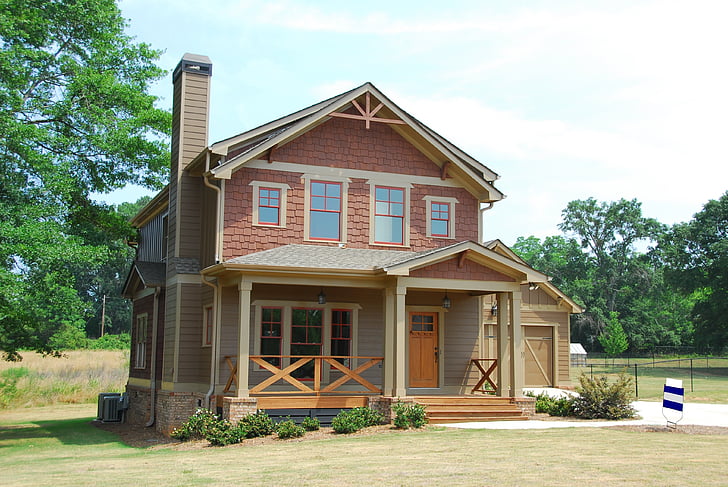
What are Starter Homes?
Starter homes are typically smaller, more affordable properties targeted at first-time buyers. They serve as a stepping stone for young individuals or families looking to enter the housing market. These homes are characterized by their modest size and price, offering a more accessible option for those just starting their homeownership journey.
The Decline of Starter Homes: A Comparison Between the 1980s and 2023
In the early 1980s, starter homes made up 40% of newly constructed homes in the U.S. However, by 2023, this number had sharply decreased to only 9%. This dramatic reduction raises concerns about the affordability of housing, especially for younger generations looking to buy their first home. The lack of affordable options has made it increasingly difficult for first-time buyers to enter the market.
The Impact on Younger Generations: A Bleak Future for Homebuyers?
Looking ahead, many experts are worried that in the next 20 years, young people may no longer be able to afford to buy homes. With housing prices continuing to rise, the dream of homeownership is becoming increasingly out of reach for those just starting their careers or families. A large portion of potential homebuyers are now facing the harsh reality of skyrocketing property prices.
Housing Market Shifts: More Buyers, Fewer Affordable Homes
Currently, over 3 million potential first-time homebuyers are facing this dilemma, grappling with ever-increasing housing costs. This situation highlights a significant shift in the housing market where demand continues to surge, yet the supply of affordable starter homes is dwindling.
Factors Behind the Decline: Slowing Construction and Rising Costs
Several factors contribute to the reduction of starter homes, including a slowdown in the housing construction industry. Housing starts and building permits have decreased over the years, not only due to seasonal trends but also ongoing structural challenges. Additionally, in many major cities, housing markets are experiencing price bubbles, particularly in suburban areas within a 2-3 hour radius from urban centers.
The Changing Trends in Home Buying: Bigger Homes, Longer Stays
Traditionally, first-time homebuyers would start with smaller condos or apartments and upgrade to larger homes after a few years. However, the trend is now shifting. Many are opting to purchase single-family homes as their first property, with plans to stay long-term. This shift in buying behavior has led to a significant decrease in the supply of homes smaller than 1,400 square feet, with fewer than 100,000 such units being built annually over the past decade, compared to 400,000-500,000 units in previous years.
The Role of Zoning Regulations: Why Are Starter Homes Disappearing?
Zoning regulations, which govern the type, size, and density of housing, play a significant role in limiting the construction of starter homes. These regulations, often shaped by local communities, can restrict the development of smaller, affordable housing options. Many communities are resistant to high-density housing projects, preferring single-family homes instead, which further limits the availability of affordable starter homes.
The Changing Dynamics of Homebuyers and Builders
As more buyers move away from urban centers and into suburban or exurban areas, homebuilders are also shifting their focus. New housing developments are increasingly being located in these areas, where lower-density homes are in demand. In rural areas, property values are rising at the fastest rate, contributing to a surge in demand for affordable housing.
Emerging Housing Solutions: The Need for Denser Housing Options
To meet the demand for affordable housing, experts suggest that denser housing types, such as townhouses and multi-family units, could be a viable solution. Additionally, repurposing vacant buildings, such as abandoned hotels or shopping malls, into residential spaces is another potential avenue for addressing the housing shortage.
Financial Barriers to Homeownership: High Costs and Low Wages
For many first-time buyers, the financial barriers to homeownership are daunting. Over the past decade, home prices have risen far faster than wages, making it more difficult for individuals to save for a down payment or afford monthly mortgage payments. Additionally, many younger buyers are burdened by student loan debt, car loans, and credit card debt, making it even harder to save for a home.
Investor Influence: How Investors Are Affecting the Housing Market
In recent years, investor activity in the housing market has increased, especially in the lower-priced housing sector. While investors account for only 1-2% of total housing inventory, their presence is making it more difficult for first-time buyers to compete for affordable homes. This issue is exacerbated by the growing shortage of available properties, which has driven up prices and further limited access to homeownership.
Government Programs: Helping First-Time Homebuyers Navigate Financial Barriers
Despite these challenges, there are several down payment assistance programs available to help ease the financial burden on first-time homebuyers. With over 2,400 programs across the country, these initiatives can significantly reduce the upfront cost of buying a home. Additionally, some programs are flexible with credit score requirements, making homeownership possible even for those with lower credit scores.
The Future of Housing Construction: Overcoming Regulatory Challenges
Regulations at all levels of government are one of the biggest obstacles to the construction of new homes. As construction costs continue to rise, with 25% of the costs attributed to regulatory factors, many builders are struggling to stay profitable. Moreover, outdated zoning regulations, some of which were created nearly a century ago, are ill-suited to address current housing needs. Unless these regulations are revised, home prices will continue to rise, further straining affordability.
Conclusion: A Need for Change in the Housing Market
The decline of starter homes and the challenges facing first-time homebuyers highlight the urgent need for reform in the housing market. By easing zoning restrictions, promoting denser housing types, and supporting affordable housing initiatives, the U.S. can work toward providing more opportunities for future homeowners. However, without addressing these systemic issues, homeownership may remain an unattainable dream for many.
Comments
Post a Comment