The Future of American Education: Ron DeSantis' Classical Teaching vs. Modern Ideologies
Education in the United States is undergoing a significant transformation, with various state-level reforms sparking intense debates about the direction of K-12 schooling. One of the most controversial changes is Florida Governor Ron DeSantis' push for a return to "classical" education, which aims to shift away from modern educational practices. In this blog post, we will explore the core elements of DeSantis' classical education reform, its potential impact on students, and the broader implications for the education system.
What Is Ron DeSantis’ Classical Education Reform?
In 2023, Governor Ron DeSantis of Florida introduced a new educational framework aimed at revamping the state’s public school system. The reform centers around classical education, focusing on traditional subjects, such as history, reading, and writing, and de-emphasizing controversial topics often associated with modern educational trends. This new approach has garnered support from conservatives and parents who want to reduce what they perceive as the growing influence of left-wing ideologies in schools.
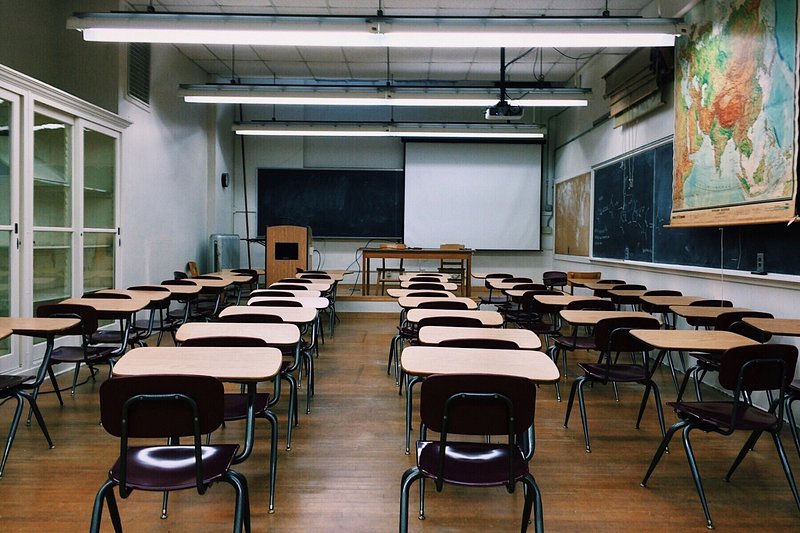
Key Features of Classical Education
DeSantis' approach to education advocates for a curriculum that prioritizes knowledge transmission over social and political activism. Here are the central features:
- Core Subjects First: Emphasis on the basics—reading, writing, math, and history.
- Parent and Community Involvement: Parents are given more control over what is taught to their children.
- Rejection of Contemporary Ideologies: The reform seeks to minimize topics like gender identity and critical race theory in the classroom.
- The Classical Literacy Test: A new literacy test to rival the SAT is being introduced as a way to measure student success based on classical education principles.
Controversy and Criticism of the Reform
While the reform has received support from many conservatives, it has also faced harsh criticism. Liberals argue that the approach is too rigid, excluding important contemporary discussions from the curriculum. The most contentious aspect is the potential for ideological censorship, with critics fearing that the move toward classical education could suppress important topics, particularly those related to social justice and minority rights.
The Debate Over Censorship in Schools
One of the most prominent concerns surrounding DeSantis’ reform is the question of censorship. The Florida governor has been vocal about removing books and materials that don't meet certain age-appropriate standards. Supporters of the reform argue that this is not censorship but a necessary step to protect children from inappropriate content, particularly regarding sexual education and gender-related topics.
The Long-Term Impact of Classical Education
If successful, DeSantis' classical education reform could spark a nationwide movement to return to traditional, values-based teaching. Proponents believe it will create well-rounded, informed citizens who understand the foundational principles of American society. Critics, however, warn that this approach may stifle creativity and intellectual freedom in the classroom, leading to a generation that is less prepared to engage with complex, real-world issues.
Moving Beyond K-12: Reforms in Higher Education
The debate surrounding classical education isn't confined to K-12 schools. Higher education in the U.S. is also under scrutiny, with many arguing that universities have become too politicized. DeSantis and other conservatives advocate for reforms that would shift the focus of higher education back to core academic subjects, rather than social justice activism. These calls for change are part of a broader movement to "de-woke" American education.
How Will DeSantis’ Education Policy Affect the Future?
As the battle over education policy continues, the outcome could drastically shape the future of American students. If states like Florida succeed in implementing classical education models, the entire nation may follow suit. However, this shift could also lead to further division between those who support a more traditional education and those who advocate for a progressive, inclusive approach.
Conclusion
The debate over education in America is far from over, and Ron DeSantis' classical education reform is just one piece of the puzzle. As states grapple with how best to educate the next generation, the question remains: can the U.S. find a balance between preserving foundational knowledge and embracing modern social change? The answer may lie in the approach to education that is adopted in the coming years.
Comments
Post a Comment