The Hidden Crisis: Nutrient Loss in Modern Vegetables and Its Impact on Our Health
In recent years, there's been growing concern about the decline in the nutritional content of our food. The question arises: Are vegetables today as nutrient-rich as they were decades ago? This article delves into the historical decline of nutrients in fruits and vegetables, focusing on calcium, vitamin C, and other essential minerals, while exploring the root causes of this phenomenon.
The Disappearance of Nutrients: A Step Back in Time
It was once widely believed that the vegetables of the past were far superior in terms of nutrition. A visit to the French Academy of Agriculture revealed fascinating insights from a food composition table dating back over 60 years. A comparison between past and present nutrient content revealed startling changes, particularly in the loss of vitamins and minerals.
In a straightforward approach, a comparison of nutrient data from 1960 to 2017 highlighted significant losses. For example:
- Green beans, which once contained 65mg of calcium per 100g in 1960, now only have 48.5mg.
- Vitamin C, essential for immune function, dropped from 19mg to 13.6mg in the same period.
A study of 70 different fruits and vegetables revealed a consistent trend: calcium levels decreased by 16%, vitamin C by 27%, and iron nearly halved.
The Science Behind the Decline: Why Are We Losing Nutrients?
The discovery of nutrient loss over time is not just a curious finding; it is a growing concern for many researchers and nutritionists. Dr. Donald Davis, an American researcher, conducted an in-depth study from 1950 to 1999 on 43 types of vegetables. His conclusion was clear: the increase in agricultural productivity, aimed at higher yields, has been the primary culprit for the decline in nutrient content. Modern agricultural practices, including the cultivation of hybrid varieties, have improved production but have failed to increase nutritional value.
The idea that higher yields translate to better nutrition has proven to be false. Modern crop varieties are often optimized for productivity rather than taste or nutritional value.
Hybrid Tomatoes: A Case Study in Nutrient Reduction
The hybrid tomato, a product of cross-breeding different varieties to enhance yield, is a prime example of the trade-off between quantity and quality. While hybrid tomatoes thrive in various climates and are less susceptible to spoilage, they often suffer from poor flavor and reduced nutritional content.
The hybridization process, designed to make tomatoes more resilient and productive, has inadvertently resulted in a loss of essential nutrients. Studies show that hybrid tomatoes contain significantly less calcium, magnesium, and vitamin C compared to their non-hybrid counterparts.
The "Eternal" Tomato: A Breakthrough in Agricultural Innovation
In response to the challenges of hybrid tomatoes, Israeli scientists developed the "Eternal Tomato," a variety engineered to resist spoilage after harvesting. This innovation, spearheaded by Professor Haim Rabinovitch, has revolutionized the agricultural industry by reducing the speed at which tomatoes decay, making them ideal for export.
While this tomato’s extended shelf life has been praised, it also underscores the complex relationship between production methods and nutritional content. Despite its long-lasting freshness, the flavor and nutrient profile of the Eternal Tomato remain a subject of debate.
The Bitter Truth: Hybrids and the Loss of Flavor
The relationship between taste and nutrition in hybrid vegetables is a delicate balance. Research indicates that the best-tasting tomatoes tend to be the ones with the highest nutritional content. However, the hybrid varieties, designed for mass production, often lack both in taste and nutrients. As modern farming techniques prioritize shelf life and transportation efficiency over flavor, consumers are left with vegetables that may look appealing but lack the nutritional punch of their predecessors.
A Growing Concern: The Global Seed Industry and Its Implications
The seed industry, especially in developing regions like India, is becoming increasingly dominated by multinational corporations. This commercialization of seeds has raised concerns not only about the quality of the crops being grown but also about the ethics of child labor. Reports reveal that in certain areas, 16% of children are involved in seed production, which raises significant human rights issues.
Moreover, the concentration of seed production in the hands of a few global companies has contributed to a loss of biodiversity. Many experts, including Olivier de Souter, warn that the dominance of genetically modified seeds could lead to the extinction of traditional plant varieties, further exacerbating the global food crisis.
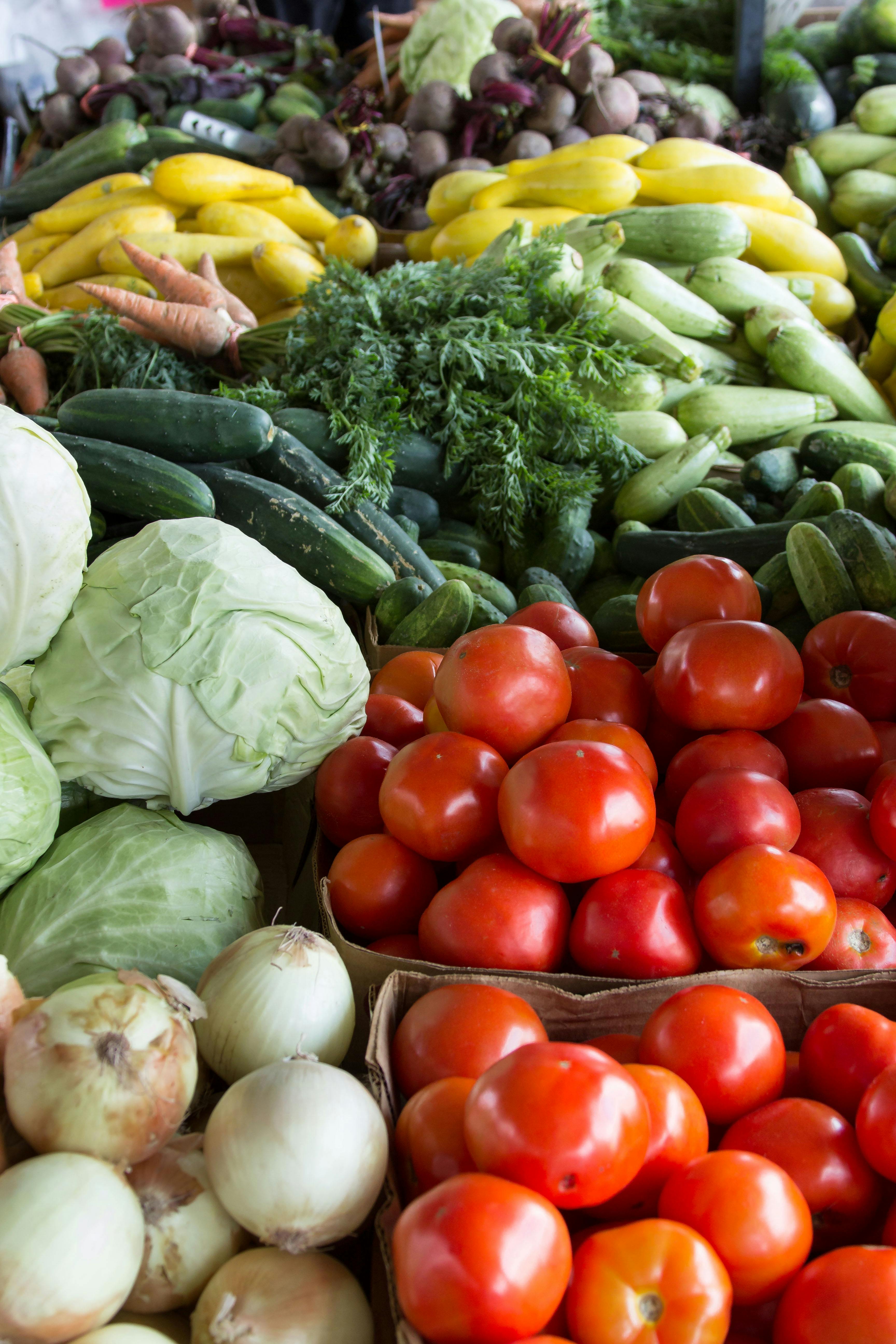
Preserving Traditional Vegetables: A Hope for the Future
Amidst the challenges posed by modern agriculture, efforts to preserve traditional vegetable varieties are underway. Coppelli Anda Gurron, a prominent advocate for preserving rare vegetable species, has dedicated his work to safeguarding over 2,400 types of traditional vegetables. Through initiatives like the Seedless Borders Program, these efforts aim to cultivate non-standardized fruits and vegetables, promoting biodiversity and sustainable agriculture.
Conclusion: A Call for Change in Our Agricultural Practices
The loss of nutrients in our food is a hidden crisis that deserves greater attention. As agricultural practices continue to evolve, it is essential that we consider not only the quantity but also the quality of the food we produce. Preserving traditional crop varieties, promoting sustainable farming practices, and prioritizing nutrient-rich foods are key steps in ensuring that future generations will have access to the nourishing fruits and vegetables that our ancestors once enjoyed.
By making informed choices and supporting sustainable agriculture, we can help combat the nutrient loss crisis and foster a healthier, more sustainable future for all.
Comments
Post a Comment