The Need for a New Economy: A Vision for Sustainable Growth
Introduction
The global economy is at a crossroads. Many people feel disillusioned with current systems that fail to meet economic, ecological, and human needs. The necessity for change is evident, and this shift calls for an economy built on cooperation, sustainability, and inclusivity. This article explores the flaws of the existing economic model, the transformative power of cooperation, and innovative projects paving the way for a brighter future.
Table of Contents
- The Flaws of the Current Economic System
- Why Cooperation Is Essential
- Red Victorian Project: A Model for Cooperative Living
- Urban Agriculture: A Path to Sustainability
- The Role of Social Enterprises in Economic Transformation
- Cooperative Economies: Empowering Communities
- Music as a Metaphor for Collaboration
- Technology and Open Source Solutions for Progress
- Rethinking Economic Relationships
- Building Sustainable Communities
- A Vision for the Future
The Flaws of the Current Economic System
The existing global economy prioritizes profit over people and the planet. This has led to:
- Environmental Degradation: Unsustainable practices harm ecosystems.
- Inequality: Wealth remains concentrated among a small percentage of the population.
- Disconnection: Individuals feel alienated from their work and communities.
A new approach is needed—one that aligns human economic activity with the principles of life and nature.
Why Cooperation Is Essential
Cooperation isn’t just a noble ideal; it’s a necessity for progress.
- Small Steps, Big Vision: Start with achievable goals while keeping the larger picture in mind.
- Collaborative Philosophy: Embrace technologies and practices that encourage shared success.
- Human Nature: Cooperation taps into our intrinsic need for connection, fostering meaningful social change.
Red Victorian Project: A Model for Cooperative Living
The Red Victorian, a 100-year-old hotel, has been transformed into a cooperative living space that exemplifies modern innovation.
- Flexible Housing: Guests can stay from one night to indefinite periods, catering to a nomadic, creative audience.
- Community Decision-Making: Residents actively participate in shaping their environment, ensuring inclusivity and collaboration.
- Sustainability in Action: The project redefines 21st-century housing by blending short-term and long-term living options.
Urban Agriculture: A Path to Sustainability
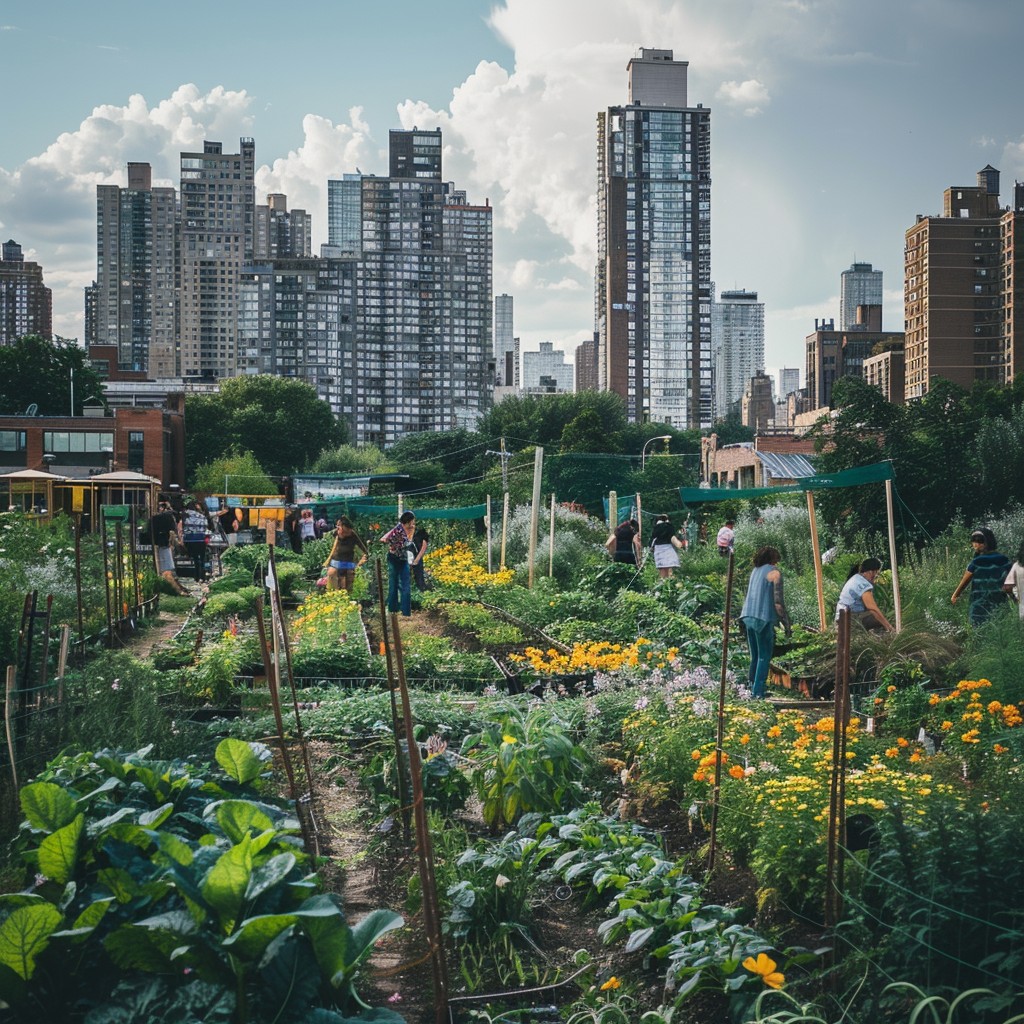
Urban farming integrates agriculture into cityscapes, addressing both environmental and social needs.
- Healing Through Nature: Agriculture fosters a connection to nature, promoting mental and emotional well-being.
- Social Enterprise: Urban farms create jobs and provide meaningful work for underserved populations.
- Diverse Goals: Each farm has unique functions, from food production to community engagement.
The Role of Social Enterprises in Economic Transformation
Social enterprises combine profit-making with social and environmental goals.
- Soul Food's Mission: Provide flexible jobs for people facing barriers, enhancing their quality of life.
- Agriculture’s Impact: Beyond food production, it offers purpose and builds stronger communities.
- Community-Centric Models: Encouraging interaction and support among members fosters growth and recovery.
Cooperative Economies: Empowering Communities
Cooperative models prioritize shared ownership and decision-making.
- Equal Voice: Each member has one vote, ensuring fairness and transparency.
- Adapting to Change: Cooperatives are flexible, responding effectively to evolving community needs.
- Empowerment Through Participation: Involvement in decision-making enhances individual and collective outcomes.
Music as a Metaphor for Collaboration
Music demonstrates the power of collaboration.
- Listening and Adapting: In conductor-less orchestras, musicians rely on deep listening and mutual respect.
- Non-Verbal Communication: Music reflects the subtleties of cooperation through shared emotional expression.
- Core Lesson: True collaboration acknowledges and values each participant’s contributions.
Technology and Open Source Solutions for Progress
Open source technologies democratize innovation, making progress accessible to all.
- Affordable Tools: Open source hardware enables cost-effective scientific research.
- Collaborative Development: Projects benefit from diverse perspectives, driving creativity.
- Global Impact: These technologies empower underfunded institutions to advance research and solutions.
Rethinking Economic Relationships
Transforming economic relationships is key to systemic change.
- Sustainable Systems: Utilize resources efficiently while protecting the environment.
- Collaboration Over Competition: A cooperative approach ensures long-term stability.
- Community Engagement: Empowering individuals through participation strengthens economies.
Building Sustainable Communities
Sustainability starts at the community level.
- Relationships Matter: Strong connections within neighborhoods lay the foundation for collective resilience.
- Transparent Communication: Open dialogue fosters trust and cooperation.
- Unified Goals: Communities thrive when all members work toward shared objectives.
A Vision for the Future
The future lies in cooperative economies that prioritize people and the planet.
- Transitioning Systems: Replace outdated models with innovative, inclusive solutions.
- Sustainable Growth: Address ecological and social needs simultaneously.
- Hopeful Outlook: Embrace change and work collectively for a better tomorrow.
Conclusion
The need for a new economy has never been more urgent. Through cooperation, innovation, and sustainability, we can build systems that serve everyone equitably. Projects like the Red Victorian and initiatives in urban agriculture showcase the potential of collaborative approaches. Together, we can create a future where prosperity and harmony coexist.
By aligning economic practices with sustainability and cooperation, we can reshape the future for generations to come.
Comments
Post a Comment