The Power of Conscious Solitude: Unlocking Mental Clarity and Personal Growth
In a world where people are increasingly connected, the idea of solitude is often viewed as a negative experience. Many perceive loneliness as a disease, and relationships are seen as the solution to this problem. However, recent studies and expert insights suggest that conscious solitude — the practice of intentionally being alone — may offer surprising benefits to mental and emotional well-being. Let's explore the profound impact conscious solitude can have on our personal growth, neurological health, and creative potential.
1. The Illusion of Connection: Breaking Free from External Validation
Modern society often conditions us to seek constant connection, whether through social media or relationships. This dependency on external validation has become so ingrained that it can affect our neurological pathways. One such case is Maria, a participant who spent 20 years in relationships, constantly seeking validation from others. Her brain became wired for dependence, unable to endure solitude. But through conscious solitude, her brainwaves shifted to a more stable and peaceful alpha state, offering her a newfound sense of calm.
2. The Neurological Benefits of Solitude
Choosing conscious solitude leads to significant neurological changes. When we are alone, the prefrontal cortex — the area of the brain responsible for decision-making and self-reflection — becomes activated. Meanwhile, the amygdala, which is associated with fear and anxiety, quiets down. These shifts, visible in neuroimaging studies, demonstrate that solitude is not simply physical isolation but an opportunity for energy independence and self-reliance.
3. Society’s Conditioning: Why We Fear Loneliness
Society has conditioned us to fear loneliness, associating it with danger or an inability to survive. When we feel alone, our brain triggers survival mechanisms that increase anxiety and stress, pushing us to seek external connections. This response is not natural but rather a result of social conditioning. Overcoming this fear can lead to greater emotional resilience and inner peace.
4. Neuroplasticity and Self-Discovery
Neuroplasticity, the brain's ability to rewire itself, plays a crucial role in the practice of conscious solitude. By regularly choosing solitude, we can develop new neural pathways that reinforce self-sufficiency and reduce dependence on external validation. This process helps us cultivate self-awareness, emotional regulation, and a deeper understanding of our personal needs.
5. The Physiological Changes of Solitude
Solitude is not just an emotional or psychological experience; it also triggers physiological changes. Research shows that practicing conscious solitude increases the production of BDNF (brain-derived neurotrophic factor), which supports the growth of new neural connections. This not only boosts mental clarity but can also improve immune function, leading to better overall health.
6. Creativity and Solitude: A Powerful Relationship
While many may feel uncomfortable in solitude, this unease can be transformed into creative energy. Without the distractions of social interactions, our minds are free to explore new ideas and perspectives. Emotional energy that would otherwise be spent on relationships can be reinvested into creativity. The more we practice conscious solitude, the greater our capacity for creative thinking and innovation.
7. The Path to Mental Independence
Conscious solitude is not just about being physically alone; it's about achieving mental independence. Regularly practicing solitude rewires our neural circuits, decreasing dependency on external sources of validation. This self-sufficiency leads to emotional stability and resilience, forming a solid foundation for personal growth and inner peace.
8. Building Inner Partnership: Embracing Self-Wholeness
When we achieve self-sufficiency through conscious solitude, we can form a deeper inner partnership. This inner harmony strengthens our sense of self and fosters greater creativity, insight, and emotional intelligence. As we become more attuned to our inner world, we naturally attract positive experiences and align with our true purpose.
9. Evolutionary Contributions of Solitude
Far from being a hindrance, solitude has played an essential role in human evolution. It allows individuals to tap into their energy field, contributing to collective consciousness and the development of new ideas. By embracing solitude, we unlock our potential to make meaningful contributions to society.
10. Evolving Consciousness Through Solitude
Solitude is not just a state of being alone but a process of evolving consciousness. It helps us align with our true self, fostering a stronger energy field and clearer sense of purpose. By practicing conscious solitude, we can generate creative energy and contribute to the collective evolution of human consciousness.
11. Starting Your Journey: How to Practice Conscious Solitude
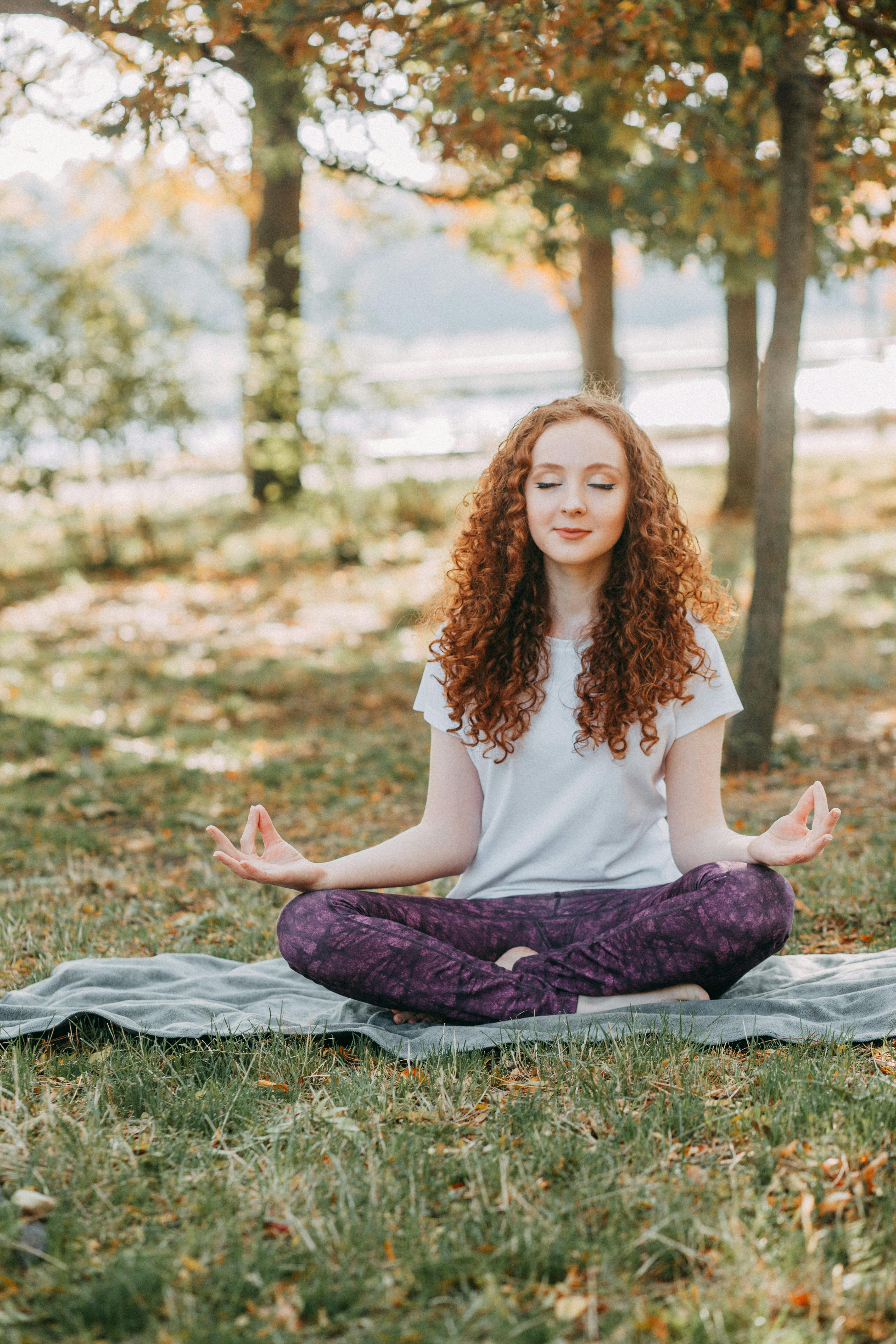
To begin your journey into conscious solitude, start by dedicating just 15 minutes a day. Find a quiet space where you won't be disturbed, and focus on your breath. Visualize connecting with your future self. Through regular practice, you can begin to rewire your brain, cultivating a deeper sense of peace and self-awareness.
By embracing conscious solitude, you can unlock your true potential, improve mental health, and experience profound personal growth. Whether you're seeking creative inspiration, emotional stability, or simply a deeper connection with yourself, solitude offers the key to a richer, more fulfilling life.
Comments
Post a Comment