Discover how food influences your emotions through cutting-edge neuroscience and gut health insights. Learn actionable tips to boost mood naturally. 🧠🌟
The Science of Food and Mood: How Nutrition Shapes Your Emotions
Emotions color every moment of our lives, from joy to frustration. But did you know that your plate plays a pivotal role in how you feel? Groundbreaking research reveals that nutrients like serotonin, dopamine, and omega-3s directly impact your brain chemistry—and your emotional well-being. Let’s explore the science and practical strategies to harness food’s power over your mood.
The Biology of Emotions: From Survival to Modern Life
Emotions Are Hardwired in Your Brain
Emotions aren’t just fleeting thoughts—they’re survival tools forged by evolution. Attraction (to rewards like food) and aversion (to dangers like toxins) are primal responses rooted in ancient brain circuits. For instance:
- 🍇 Sugar cravings ensured our ancestors sought energy-rich fruits.
- 🤢 Disgust toward bitterness prevented poisoning from toxic plants.
Modern neuroscience shows these reactions are governed by the limbic system and refined by higher brain regions like the prefrontal cortex.
Sugar and Dopamine: The Addictive Cycle Explained
Why Your Brain Loves Sugar (Even When You Don’t)
When you eat sugar, your brain releases dopamine—a neurotransmitter tied to motivation and pleasure. Remarkably, gut neurons detect sugar even if you can’t taste it, triggering cravings.
Breaking the Dopamine Trap
- 🚫 Hidden sugars: Processed foods often contain added sugars that hijack your brain’s reward system.
- 🧠 Anticipation vs. Reality: Dopamine spikes when you expect a treat but plummets if the experience disappoints. This cycle drives overeating.
Pro Tip: Swap sugary snacks for whole fruits. The fiber slows sugar absorption, stabilizing dopamine levels.
The Gut-Brain Axis: Your Second Brain’s Role in Mood
90% of Serotonin Lives in Your Gut
Serotonin, the “happiness molecule,” is primarily produced in the gut. While it can’t cross the blood-brain barrier, it indirectly influences mood via the vagus nerve—the body’s longest cranial nerve.

Image Credit: Gut-Brain Axis Overview via Wikimedia Commons, CC BY-SA 4.0

How to Nourish Your Gut for Better Moods
- Fermented Foods: Yogurt, kefir, and kimchi support gut bacteria that produce serotonin.
- Prebiotic Fiber: Feed good bacteria with onions, garlic, and bananas.
Omega-3s: The Brain’s Anti-Inflammatory Shield
Why Omega-3s Fight Depression
Omega-3 fatty acids (found in salmon, chia seeds, and walnuts) reduce brain inflammation and enhance neurotransmitter function. A 2023 meta-analysis found that omega-3 supplementation reduced depressive symptoms by 30% in clinical trials.
Balancing Omega-3 and Omega-6
Modern diets skew heavily toward omega-6s (from vegetable oils), which promote inflammation. Aim for a 1:1 ratio by:
- 🐟 Eating fatty fish twice weekly.
- 🌿 Using olive oil instead of soybean or corn oil.
The Vagus Nerve: Bridging Your Gut and Emotions
Your Body’s Communication Superhighway
The vagus nerve transmits signals between the gut and brain, regulating digestion, heart rate, and emotional states. Chronic stress can impair its function, leading to anxiety or digestive issues.
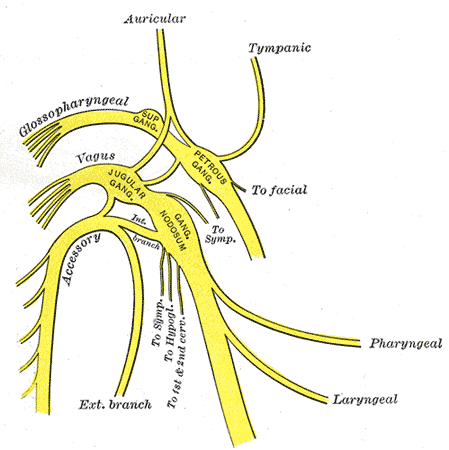
Image Credit: Vagus Nerve Anatomy via Wikimedia Commons, Public Domain

Activate Your Vagus Nerve Daily
- 🧘 Deep Breathing: Slow, diaphragmatic breathing stimulates vagal tone.
- ❄️ Cold Exposure: A 30-second cold shower boosts vagus nerve activity.
Probiotics and Mental Health: What the Evidence Says
Can Gut Bacteria Reduce Anxiety?
A landmark 2021 study in Nature found that participants taking Lactobacillus rhamnosus for 12 weeks reported 55% lower anxiety levels. These bacteria produce GABA, a neurotransmitter that calms the nervous system.
A Word of Caution
While probiotics show promise, overuse can cause bloating or imbalance. Stick to 1–2 servings of fermented foods daily.
Mindset Matters: How Beliefs Shape Your Biology
The Milkshake Study: Placebo Power in Action
In a Harvard experiment, participants drinking the same milkshake had vastly different hormonal responses based on perceived calorie content. Those believing it was “indulgent” experienced sharper drops in hunger hormones.
Practical Takeaways
- 🧠 Reframe “Guilty” Foods: View treats as occasional joys, not sins.
- 🍽️ Eat Mindfully: Savor each bite to enhance satisfaction.
Final Thoughts: Food as Medicine for the Mind
Nutrition isn’t just about physical health—it’s a cornerstone of emotional resilience. By prioritizing whole foods, balancing fats, and nurturing your gut, you empower your brain to navigate stress and joy with clarity.
We’d love to hear from you! What’s one food that always lifts your mood? Share your thoughts below. 🌱
Image Credits
- Gut-Brain Axis Overview via Wikimedia Commons (CC BY-SA 4.0)
- Vagus Nerve Anatomy via Wikimedia Commons (Public Domain)
Comments
Post a Comment