Title: The Untold Secrets of World War II: Hitler’s Ambition, Strategies, and the Global Conflict
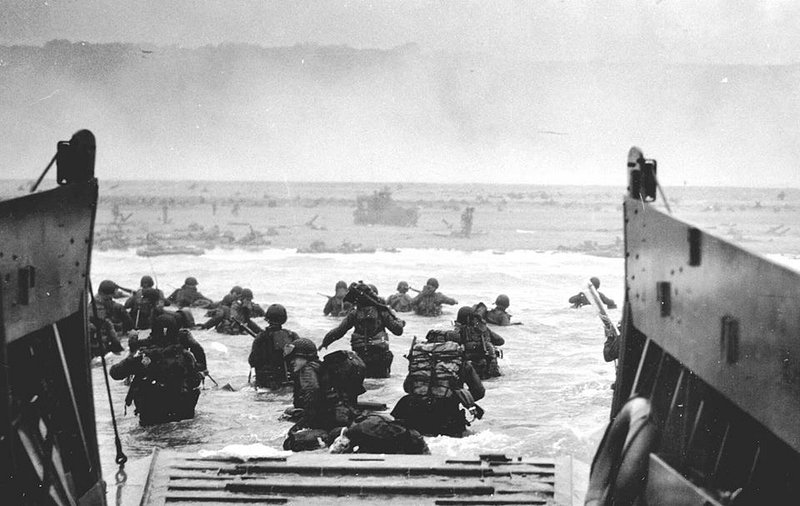
World War II stands as one of the darkest chapters in human history. Initiated by Hitler’s relentless ambition and the ruthless atrocities of Nazi Germany, the war would span continents, altering the course of history in unimaginable ways. From Hitler’s consolidation of power to the pivotal battles that reshaped nations, this post delves into the key events and strategies that led to the outbreak of the war and the subsequent global conflict.
1. The Rise of Hitler and the Pursuit of Global Domination
Hitler's path to power began with his claim that the terms of the Versailles Treaty, which had humiliated Germany after World War I, were invalid. In 1935, Hitler reintroduced conscription and expanded the army to 500,000 troops, violating the treaty’s restrictions. Despite this, neither Britain nor France took decisive action. This emboldened Hitler, and in 1936, he sent troops into the demilitarized Rhineland, testing the resolve of European powers. The lack of response from Britain and France further fueled his military ambitions.
In 1938, Hitler's confidence grew after annexing Austria and gaining support from Italy. At the 1938 Munich Conference, Britain and France, hoping to avoid conflict, allowed him to take over Czechoslovakia’s Sudetenland. This event marked the first step in a series of unchecked expansions by Nazi Germany.
2. The Invasion of Poland: The Start of Global Conflict
As Hitler's territorial ambitions continued to grow, Poland became the next target. With diplomatic negotiations failing, Germany openly declared its intention to invade Poland. On September 1, 1939, Germany initiated its invasion with a brutal blitzkrieg, a tactic that utilized fast-moving infantry, armored divisions, and air support to overwhelm the enemy quickly. The invasion of Poland marked the official beginning of World War II, drawing in both Britain and France, who declared war on Germany.
3. The Secret Pact: Germany and the Soviet Union
In a shocking turn of events, Germany and the Soviet Union signed a non-aggression pact, secretly agreeing to divide Poland between them. This pact not only secured Germany’s eastern front but also ensured that the Soviet Union would not interfere with Nazi ambitions. The German invasion of Poland was thus made possible through this secret alliance, setting the stage for the full-scale conflict that would follow.
4. The Blitzkrieg: A Swift and Brutal Tactic
The early years of the war saw Germany employing the blitzkrieg strategy, a military tactic aimed at rapidly defeating opponents through surprise, speed, and overwhelming force. Using a combination of tanks, infantry, and airpower, the German military swiftly took control of much of Europe, including France, Belgium, and the Netherlands. The strategy was effective in disorienting and incapacitating opposing forces, making it difficult for them to mount a successful defense.
5. The Battle for Leningrad and the Siege of Stalingrad
As the war progressed, Hitler turned his sights on the Soviet Union, launching Operation Barbarossa in 1941. One of the most infamous battles was the siege of Leningrad, where German forces surrounded the city, cutting off supplies and starving its citizens. The suffering endured by the residents of Leningrad became a symbol of the brutal tactics employed by Nazi Germany.
The Battle of Stalingrad, fought between German and Soviet forces from 1942 to 1943, became a turning point in the war. It was one of the deadliest confrontations in history, with millions of soldiers and civilians affected. The German defeat marked the beginning of the Soviet Union’s push back against Nazi forces.
6. The Normandy Invasion and the Turning Tide
The Allied forces, after years of struggle, launched Operation Overlord in June 1944, landing on the beaches of Normandy, France. This invasion, known as D-Day, was a decisive turning point in the war. With meticulous planning and deception, the Allies were able to establish a foothold in Europe, eventually leading to the liberation of France and the defeat of German forces in Western Europe.
7. Churchill’s Leadership: Steadfast Resolve in Times of Crisis
British Prime Minister Winston Churchill played a pivotal role in maintaining British morale during the darkest days of the war. His leadership was crucial in rallying the British people to resist Nazi tyranny and in forging alliances with the United States and the Soviet Union. His speeches and unwavering resolve symbolized the British spirit during the war, making him one of the most iconic figures of the 20th century.
Conclusion: The Legacy of World War II
The devastation caused by World War II reshaped the world order, leaving a legacy of tragedy, resilience, and hope for a better future. From the rise of fascism to the defeat of Nazi Germany, the war brought about significant geopolitical shifts. The lessons learned from this conflict continue to shape international relations and prevent the rise of similar ideologies.
This post provides an in-depth look into the early stages of World War II, focusing on the key events and strategic decisions that led to the outbreak of global conflict. By breaking down the war's pivotal moments, it highlights the ambition, power struggles, and military tactics that defined the course of history.
Comments
Post a Comment