Thorium Energy: The Future of Clean and Sustainable Power
Introduction:
Thorium energy represents a promising future for clean, carbon-free electricity. As the world grapples with energy challenges and the need for sustainable power, thorium offers a potential solution that could revolutionize energy production. This blog post delves into the history of thorium, its comparison to uranium, and the development of thorium reactors, all while exploring its potential to reshape the global energy landscape.
The Dual Nature of Nuclear Energy: Hope and Fear
Nuclear energy has long been a source of both hope and fear. On one hand, it offers a massive potential for clean energy; on the other, the dangers of nuclear accidents and waste disposal continue to haunt the industry.
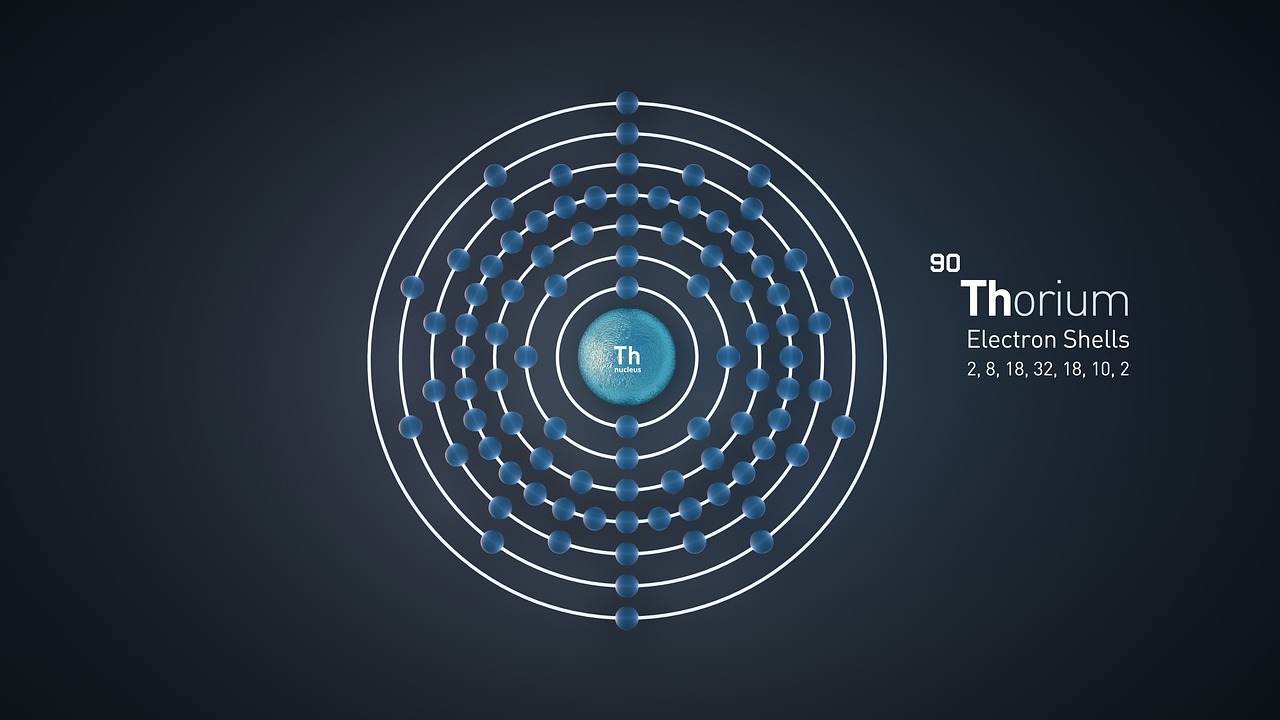
Thorium, unlike traditional uranium, offers the possibility of a safer, more efficient energy source that could meet the world’s growing energy demands without the dangerous risks associated with uranium-based nuclear power.
Thorium's Discovery and Unique Properties
Thorium, a naturally abundant element, was first discovered in 1828. It is known for its potential as a nuclear fuel, but also for its various industrial uses, including in light bulbs and ceramics. This section will explore its characteristics and why it’s considered a superior alternative to uranium in nuclear reactors.
Thorium vs. Uranium: A Comparative Analysis
Although thorium has a lower efficiency than uranium as a nuclear fuel, it has several advantages, such as being more abundant and safer. While uranium fuels current nuclear reactors, thorium could play a crucial role in a future of safer and more sustainable nuclear power.
The History of Thorium Reactors
The concept of thorium reactors is not new. The U.S. Oak Ridge National Laboratory began researching thorium’s potential as a nuclear fuel after World War II, with the development of the Molten Salt Reactor in the 1960s. However, technical challenges and the focus on uranium have limited its widespread adoption.
Advantages of Thorium Reactors
Thorium reactors offer several benefits over conventional uranium reactors, including:
- Abundance of Thorium: It’s much more plentiful than uranium.
- Safer Waste Products: The waste generated is less harmful and decays more quickly.
- Resistance to Meltdown: Thorium reactors are designed to be inherently safe, with a much lower risk of catastrophic failure.
The Safety Benefits of Thorium Reactors
Unlike uranium reactors, thorium reactors are designed to prevent meltdowns, making them much safer. In the event of a malfunction, thorium reactors can passively shut down and release fuel, eliminating the risk of catastrophic failure like those seen at Chernobyl and Fukushima.
The Challenges and Opportunities of Thorium Reactors
While thorium reactors offer significant potential, they come with their own set of challenges:
- High Initial Investment: Thorium technology requires substantial research and development funding.
- Mining and Fuel Production: Extracting thorium from natural resources presents logistical challenges.
- Technical Barriers: Thorium reactors need specialized designs to operate effectively.
Despite these challenges, the ongoing research and development efforts, particularly in countries like India and China, continue to push forward the possibility of thorium as a mainstream energy source.
The Global Race for Thorium Technology
Countries like India, China, and the United States are in a race to develop viable thorium reactors. With India holding the largest reserves of thorium, its commitment to thorium-based energy is crucial for the future of nuclear power.
Thorium's Role in a Sustainable Energy Future
As we look toward a future with more sustainable energy solutions, thorium could play a critical role. With its potential for safer, more efficient energy production, thorium reactors might just be the bridge to a cleaner energy future.
Conclusion
Thorium offers an exciting prospect for the future of clean energy, but it’s clear that we need further investment and research to realize its full potential. As the world continues to seek alternatives to fossil fuels, thorium could be a key player in a more sustainable energy future.
Comments
Post a Comment