Transforming Education in New York City: Leadership, Challenges, and Innovative Solutions from Melissa Aviles-Ramos
Introduction
New York City's education system is undergoing significant transformation under new leadership and policy shifts. With Melissa Aviles-Ramos stepping into the role of Chancellor after David Banks' resignation, bold initiatives are being introduced to address systemic issues and enhance the quality of education. From tackling food insecurity to promoting financial literacy, the city's approach reflects a commitment to equity and innovation.
Leadership Transition: Melissa Aviles-Ramos
Melissa Aviles-Ramos has taken charge as the new Chancellor of Education with a vision to reshape the system. Her leadership is marked by a focus on students' basic needs, safety, and overall well-being. She emphasizes the importance of creating an environment where every child feels supported and valued, setting the stage for a brighter future for New York City's students.
Addressing Food Insecurity in Schools
 |
| Universal free meals: A step toward combating food insecurity. |
Food insecurity is a pressing issue affecting students across New York State. To combat this, the state government has pledged universal free breakfast and lunch programs, complementing the existing initiatives in New York City schools.
- Impact on Students: Ensuring that children arrive at school with their nutritional needs met helps improve focus, academic performance, and overall well-being.
- Parental Support: Families struggling economically will benefit from additional $2,000 aid, further reducing financial stress.
Aviles-Ramos has prioritized this issue, aligning it with her broader goal of addressing safety and welfare concerns in schools.
Financial Literacy: Building Future-Ready Students
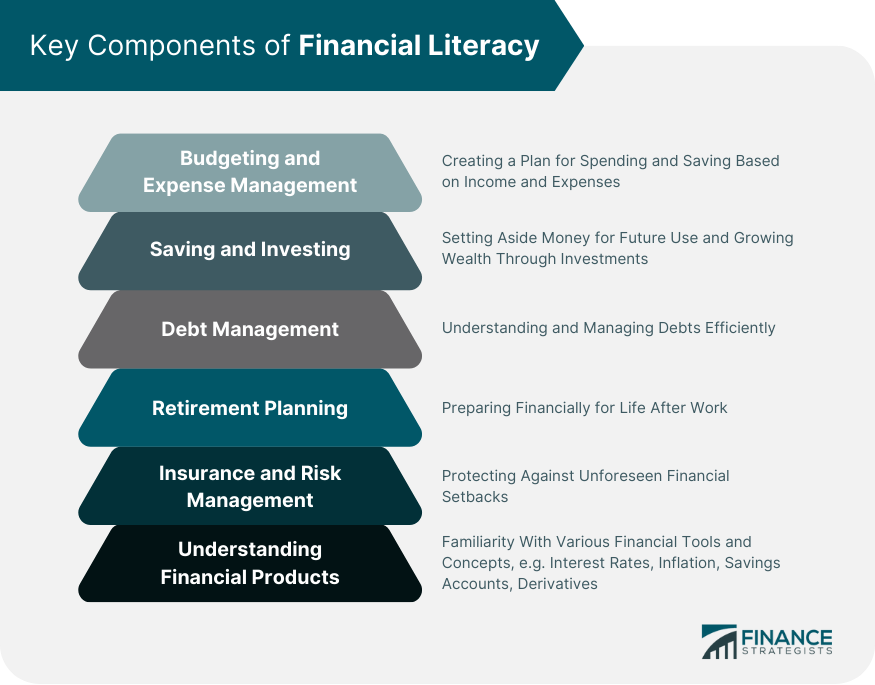
Empowering students through financial literacy programs.
One of the city's most groundbreaking initiatives is the introduction of financial literacy programs in schools.
- School Banks: Plans to open 15 in-school banks aim to provide hands-on learning opportunities.
- Comprehensive Curriculum: Students will learn essential skills like budgeting, saving, investing, and smart spending.
- Career Connections: Aviles-Ramos underscores the importance of connecting financial education to career readiness, empowering students to navigate the complexities of adulthood.
By fostering financial knowledge early, the city is equipping its youth with tools for long-term economic stability.
Managing Technology: Regulating Cellphone Use
 |
| Balancing technology use in classrooms to enhance learning. copyright by Blake Patterson CC BY 2.0 |
The use of cellphones in classrooms has sparked debate among educators and parents.
- Aviles-Ramos’ Stance: She supports regulating cellphone use to protect learning time, citing her experience with collecting phones during class hours.
- Mental Health Considerations: Excessive phone use is linked to feelings of isolation and anxiety among students.
- Parental Concerns: While some parents worry about emergency communication, the emphasis remains on creating a balanced approach that prioritizes education without neglecting safety.
This policy reflects the city's efforts to address both academic and emotional challenges faced by students.
Public vs. Charter Schools: Striking a Balance
 |
| Highlighting the strengths of public school programs. |
New York City's public schools are in fierce competition with charter schools for enrollment.
- Parental Choice: While respecting parents' right to choose charter schools, Aviles-Ramos advocates for strengthening public school programs.
- Marketing Efforts: Highlighting innovative public school initiatives aims to attract students and rebuild confidence in the system.
- Equality in Education: Ensuring high-quality education across all neighborhoods remains a top priority, reinforcing the city's commitment to equity.
Broader Challenges and Political Context
As New York City navigates these educational reforms, broader socio-political issues influence the landscape. Whitney Tilson, a mayoral candidate, has voiced concerns about systemic inefficiencies, crime rates, and economic challenges.
- Crime and Safety: Although crime rates have decreased, public perception of safety remains a concern. Tilson highlights the need for localized crime prevention strategies.
- Economic Environment: High taxes and regulatory hurdles have deterred business investments. Tilson advocates for pro-business policies to boost the city's economy by 30%.
- Housing Costs: Rising housing costs exacerbate economic disparities. Tilson proposes regulatory reforms and increased housing supply to address this crisis.
These issues intersect with education, as economic stability and safety are essential for thriving communities and schools.
Conclusion
New York City's education system is at a pivotal moment. Under Melissa Aviles-Ramos’ leadership, the focus on holistic student support, innovative programs, and community collaboration offers hope for transformative change. While challenges persist, these initiatives represent a commitment to building a more equitable, supportive, and future-ready education system.
As policies evolve and public discourse continues, the city's journey toward educational excellence will serve as a model for other urban centers across the nation.
Comments
Post a Comment