Understanding Population Growth and Fear: A Data-Driven Perspective
Population growth is a topic that sparks both hope and fear in a world of constant change. With over 7 billion people inhabiting the Earth, the implications of this growth touch every corner of society. This blog explores historical trends, current challenges, and future opportunities tied to population growth, as well as the positive impact of education, sustainable development, and technological advancements.
The History of Population Growth
A Journey Through Time
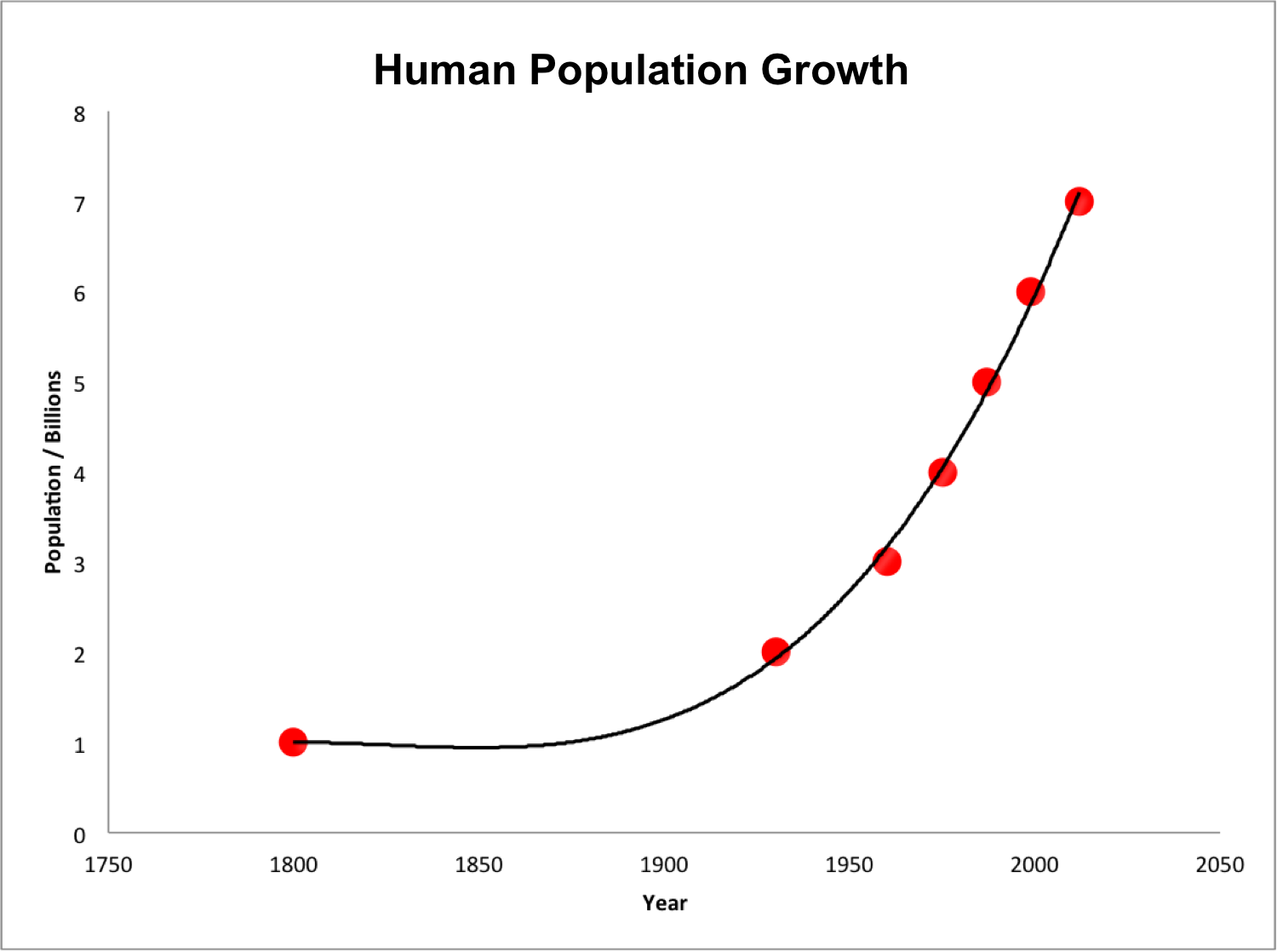
The global population began its journey around 10,000 BCE, with just 10 million people during the advent of agriculture. For millennia, population growth remained slow and steady. However, the Industrial Revolution marked a dramatic turning point.
By 1800, the population reached 1 billion and doubled to 2 billion within just a century. This unprecedented growth was fueled by advancements in medicine, agriculture, and industry.
Responses to Population Growth
Fear vs. Indifference
As populations grow, two contrasting responses emerge:
- Fear: Concerns over resource scarcity and environmental degradation.
- Indifference: Apathy toward the long-term consequences of overpopulation.
Experts like Hans Rosling emphasize the importance of data in understanding these trends, often revealing a more optimistic future than public perception suggests.
Bangladesh: A Case Study in Family Planning
Cultural and Demographic Shifts
Bangladesh stands as a beacon of change in population management. In the 1970s, the average woman had seven children. Today, the number has dropped to 2.2, thanks to government-supported family planning services and shifts in societal norms.
Increased life expectancy—from 50 to 70 years—illustrates how education and healthcare improvements can transform communities.
Global Population Trends
Declining Fertility Rates
In 1963, the global average fertility rate was five children per woman. Today, it has dropped to 2.5, signifying progress across developing nations. Countries like Bangladesh and many Asian nations have successfully reduced fertility rates through education and economic growth.
Challenges in Africa: Population and Poverty
Rapid Growth and Poverty
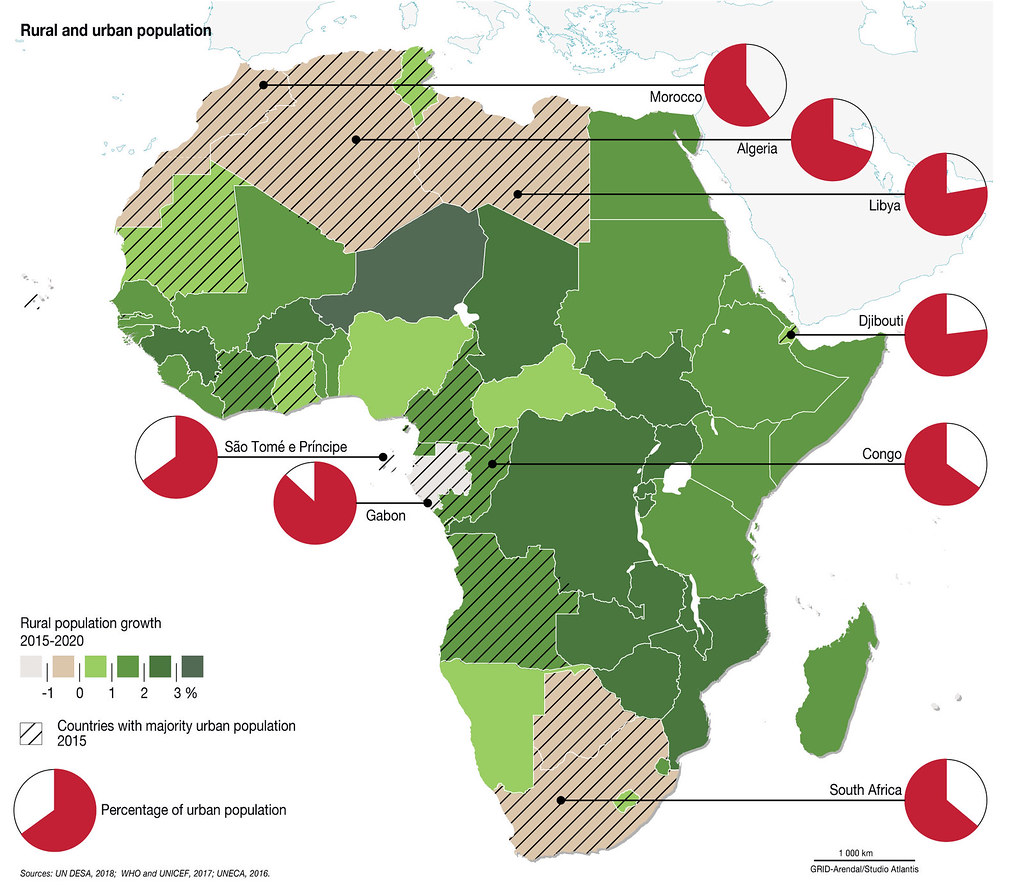
Africa faces unique challenges as its population is expected to double within 40 years. While urban areas show economic progress, rural communities continue to struggle with poverty and limited resources.
Addressing these issues requires investments in education, agriculture, and sustainable development to manage resources effectively.
Empowering Women Through Education
Education as a Catalyst for Change
Education plays a pivotal role in population control and economic progress. In Bangladesh, financial incentives encourage families to educate daughters, leading to reduced fertility rates and increased job opportunities for women.
Educated women are the linchpin of social and economic transformation, symbolizing a brighter future.
Agriculture and Economic Growth in Africa
The Role of Innovation
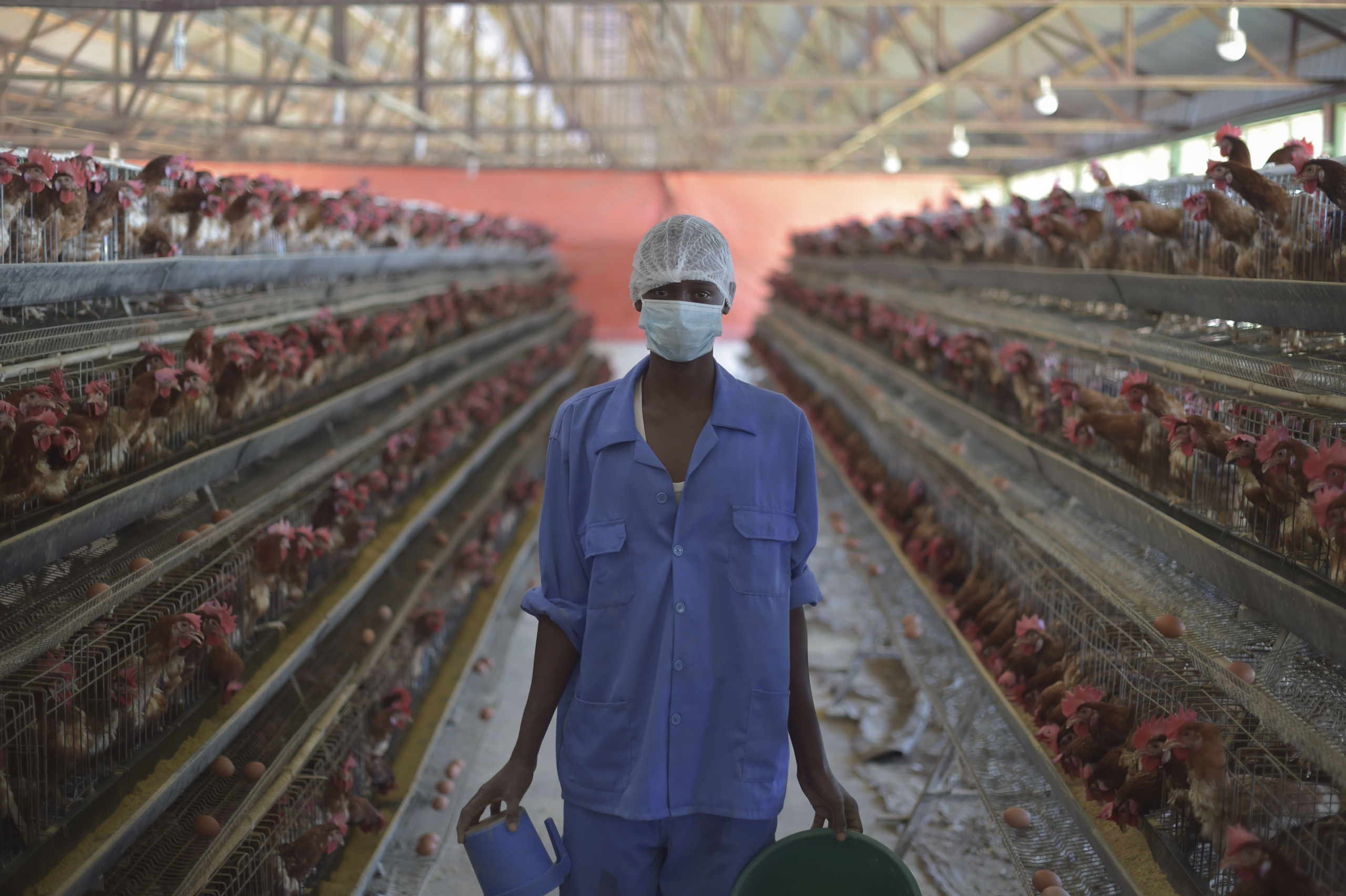
Technological advancements hold the key to improving agricultural productivity in Africa. By modernizing farming techniques, the continent can support its growing population and drive economic growth.
Climate Change and Sustainable Development
Addressing Global Challenges
Climate change remains a pressing issue as the world still heavily relies on fossil fuels, with the wealthiest populations contributing the most to carbon emissions. Transitioning to renewable energy and reducing resource consumption are critical for sustainable development.
A Hopeful Future
Opportunities for Change
Despite the challenges, there is cause for optimism:
- Extreme poverty is decreasing.
- Population growth rates are stabilizing.
- The global community is addressing climate change.
The future is brighter than many imagine, driven by data, innovation, and a commitment to sustainable growth.
Final Thoughts
Understanding population growth and its implications requires a nuanced approach. Data-driven insights, combined with education, innovation, and sustainable development, offer pathways to a more equitable and prosperous future.
Let’s embrace the opportunities for change and work toward a world where everyone thrives.
Comments
Post a Comment