Unlocking Genius: The Science and Strategy Behind Becoming Extraordinary
Introduction: The Myth of Genius
What does it take to be a genius? Is it an innate gift, or can anyone achieve it with the right strategy? Historical figures like Cristiano Ronaldo and Michelangelo are often seen as naturally gifted, but science suggests that genius is not purely born—it is built. Central to this transformation is a fascinating brain component called myelin, which plays a critical role in developing extraordinary skills.
Table of Contents
- What Is Myelin and Why Does It Matter?
- How Myelin Shapes Genius
- Strategies to Build Myelin for Mastery
- The Role of Deep Practice
- Optimal Practice Time for Maximum Growth
- Igniting Passion: The Power of Motivation
- The Importance of Expert Coaching
- Leveraging Online Communities and AI
1. What Is Myelin and Why Does It Matter?
Definition: Myelin is a white, fatty substance that wraps around nerve fibers in the brain. Think of it as insulation for electrical wiring. Just as insulation boosts the efficiency of electrical signals, myelin enhances the speed and strength of neural signals.
- Key Function: Myelin allows information to travel faster, improving precision and efficiency in skill execution.
- Impact on Skill Development: Studies show that experts in any field, from athletics to art, tend to have higher levels of myelin in specific brain circuits related to their expertise.
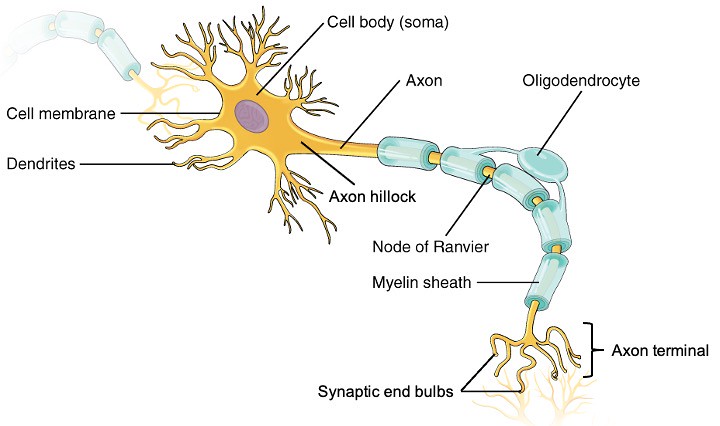
copyright by ASCCC OERI CC BY
2. How Myelin Shapes Genius
- Nature vs. Nurture: While some people may have a genetic predisposition for higher myelin levels, research indicates that environmental factors and deliberate practice play a crucial role.
- Skill Growth: Myelin grows when specific neural pathways are repeatedly activated, making the practice of any skill essential for improvement.
- Long-Term Impact: Once formed, myelin remains resilient, which explains why skills mastered during childhood often stay with us for life.
3. Strategies to Build Myelin for Mastery
- Focused Repetition: Repeating a skill accurately strengthens the related neural pathways, promoting myelin growth.
- Slow and Steady: Practicing slowly ensures precision, allowing myelin to form more effectively.
- Target Weaknesses: Focusing on areas where you struggle is more effective than repeating tasks you’ve already mastered.
4. The Role of Deep Practice
What is Deep Practice?
Deep practice is an intense, focused method of learning where every mistake becomes an opportunity for growth. It involves breaking skills into smaller parts and refining each one meticulously.
Key Features:
- High Focus: Requires undivided attention and effort.
- Error Correction: Identifying and fixing mistakes strengthens neural circuits.
- Energy-Intensive: Deep practice is mentally exhausting but highly effective.
5. Optimal Practice Time for Maximum Growth
- Recommended Duration: Research suggests 1–4 hours of focused practice per day is ideal for long-term development.
- Individual Differences: While some thrive with longer practice, most people benefit from shorter, high-quality sessions.
- Rest and Recovery: Adequate rest is crucial, as myelin growth continues during downtime.
6. Igniting Passion: The Power of Motivation
- The Role of Passion: Passion acts as the fuel for sustained effort. Without it, even the best strategies may fail.
- Primal Cues: These are triggers that evoke strong emotional responses, such as admiration for a mentor or the desire to prove oneself.
- Social Influence: Surrounding yourself with like-minded individuals can amplify motivation and drive.
7. The Importance of Expert Coaching
- Feedback Loop: Expert coaches provide immediate feedback, helping to refine techniques and avoid bad habits.
- Guidance: They help identify areas of improvement and optimize practice routines.
- Success Stories: From athletes to artists, nearly all high achievers credit their success to great mentors.
8. Leveraging Online Communities and AI
- Online Communities: Platforms like forums and virtual workshops allow learners to connect, share tips, and stay motivated.
- AI Tools: Artificial intelligence can offer personalized feedback, analyze weaknesses, and suggest tailored improvement plans.
Conclusion: The Path to Genius Is Within Reach
Becoming a genius is not an unattainable dream—it’s a systematic process rooted in neuroscience and deliberate practice. Whether you’re an aspiring artist, an athlete, or a professional looking to sharpen your skills, focusing on myelin growth, deep practice, and sustained motivation can help you achieve extraordinary results.
Comments
Post a Comment