Unveiling Human History: From Ancient Civilizations to Modern Society
Introduction: The Origins of Humanity
Human history begins over 30 billion years ago, with atoms eventually forming the complex life that led to the rise of civilizations. The story of humanity’s origins is rooted in evolution, migration, and survival against all odds.
The Evolution of Homo Erectus
Around 6 million years ago, the first hominids appeared, marking the earliest steps in human evolution. These beings, part of the primate family, set the stage for Homo Erectus—our early ancestor. Homo Erectus demonstrated remarkable adaptations, such as larger brains, which helped them migrate out of Africa around 1.9 million years ago, shaping the course of human evolution.

Agricultural Revolution in Mesopotamia
Located between the Tigris and Euphrates Rivers, Mesopotamia was the birthplace of agriculture around 4000 BCE. The Sumerian city of Eridu pioneered this transformation, leading to a dramatic shift in how humans lived.
- The Beginning of Farming: The development of grain cultivation changed society forever, with the use of tools like the sickle to harvest wheat and barley.
- Population Growth: With the rise of agriculture, Eridu grew into a bustling city with a population of over 50,000.

The Epic of Gilgamesh: The First Literary Masterpiece
The legendary King Gilgamesh of Sumer, around 3000 BCE, embarks on an epic journey in search of immortality, marking one of humanity's first recorded tales—the Epic of Gilgamesh. This story explores themes of life, death, and the human desire for eternal existence.
- The Search for Immortality: Gilgamesh’s quest reflects the deeper questions of human existence and the inevitability of death.
- Gods and Mortals: The relationship between Gilgamesh and the gods highlights humanity’s struggle with its own limitations.
The Indus Valley Civilization and Advanced Sanitation
Spanning from 3300 BCE to 1300 BCE, the Indus Valley Civilization is known for its remarkable advancements in sanitation and city planning.
- Advanced Toilets and Drainage: The Indus Valley had complex sewage systems and public bathrooms, a testament to their commitment to health and hygiene.
- Cleanliness: The drainage system was designed to direct waste outside the city, ensuring a clean and healthy environment for its residents.
The Construction of the Great Pyramids in Egypt
The Egyptian pyramids, constructed as tombs for pharaohs, represent one of the most iconic symbols of ancient civilization. These monumental structures were meant to ensure the pharaoh’s immortality.
- Purpose of the Pyramids: They were built to preserve the pharaoh’s body and provide everything needed for the afterlife.
- Mummification: The practice of mummification ensured the pharaohs' spirits could live on in the afterlife, symbolizing Egypt’s rich spiritual beliefs.

China’s First Dynasty and the Legend of Yu
Around 2100 BCE, the first Chinese dynasty, the Xia, was established under the leadership of Yu. His legend not only marks the birth of China’s imperial era but also introduces the idea that legitimate power stems from an individual’s merit.
- Yu’s Legacy: His efforts to control the flooding of the Yellow River earned him a revered place in Chinese history.
- Agricultural Growth: Early Chinese agriculture flourished with the cultivation of rice, millet, and barley.
The Code of Hammurabi and Ancient Babylon
One of the earliest and most influential legal codes, the Code of Hammurabi, was established in Babylon around 1772 BCE. The code provided a comprehensive list of laws covering various aspects of society.
- 282 Laws: These laws outlined societal norms and established clear distinctions between social classes.
- Class Division: The legal system clearly differentiated between the aristocracy, commoners, and slaves, creating a rigid class structure.
Hittite Empire and Diplomacy
The Hittite Empire, rising in modern-day Turkey, made significant contributions to diplomacy and military strategies. Under King Hattusili III, the empire gained power through political alliances and military might.
- Diplomatic Integration: The Hittites utilized skilled diplomacy to unify smaller city-states into a powerful empire.
- Military Power: The Hittites built a formidable military presence, particularly through their interactions with Egypt.
Ancient Greece: City-States and Democracy
By 1600 BCE, Greece was divided into city-states, each with its own political and social systems. Athens, in particular, developed a form of democracy that would influence governance worldwide.
- Democracy in Athens: Citizens directly participated in government decisions through voting and public assembly.
- Plato’s Criticism: Philosopher Plato criticized Athenian democracy, advocating instead for a government led by philosopher-kings.
The Rise of the Roman Empire
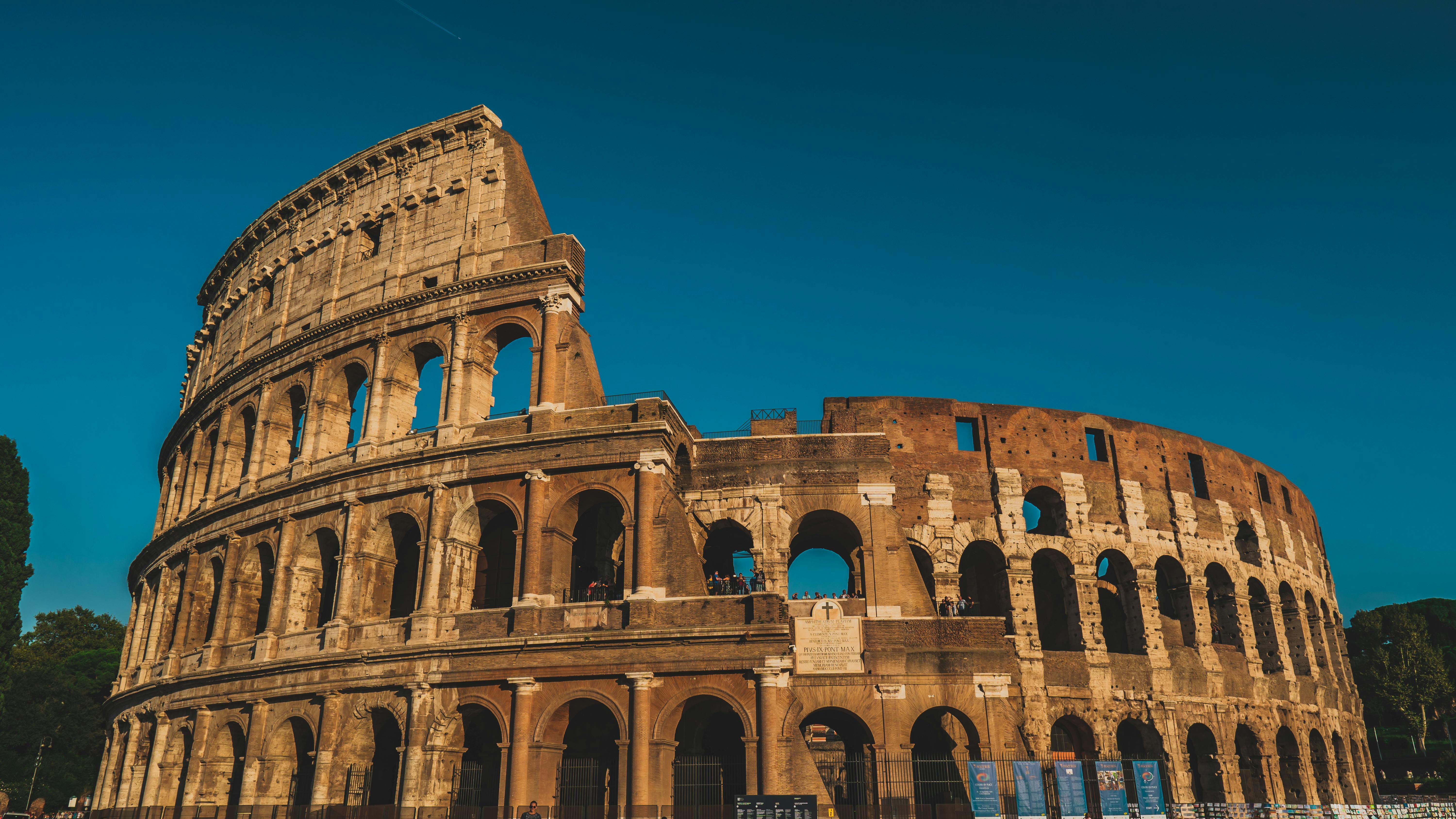
Rome’s rise to power, through conquests like the Punic Wars against Carthage, eventually led to the formation of one of the most powerful empires in history.
- The Punic Wars: Rome’s victory over Carthage solidified its dominance in the Mediterranean.
- Expansion and Influence: Roman culture, law, and engineering spread across the empire, laying the foundation for modern Western civilization.
Medieval Europe and the Feudal System
During the Middle Ages, Europe was shaped by the feudal system, a hierarchical structure where land was exchanged for military service.
- Feudalism: This system divided society into lords, vassals, and serfs, creating a rigid social structure.
- The Role of the Church: The Church was the central authority, wielding significant political and spiritual power.
The Industrial Revolution and Social Change
Beginning in the late 18th century, the Industrial Revolution transformed societies by introducing new technologies that increased production and changed labor dynamics.
- Capitalism vs. Socialism: Thinkers like Karl Marx critiqued the growing capitalist system, advocating for a more equitable distribution of resources.
- Social Movements: The revolution sparked movements for workers' rights, better living conditions, and economic reform.
World War I and Its Consequences
World War I, ignited by the assassination of Archduke Franz Ferdinand in 1914, drastically altered the global political landscape. The aftermath of the war saw the collapse of empires and the birth of new nations.
World War II and Global Transformation
World War II, which began with Germany’s invasion of Poland in 1939, reshaped the world order, leading to the rise of the United States and the Soviet Union as superpowers.
- End of the War: The war’s conclusion in 1945 marked the end of Nazi Germany and Imperial Japan, paving the way for the United Nations and Cold War tensions.
The Future of Humanity: A Continuum of Change
Human history is marked by constant change, and as we continue to evolve, the future of humanity lies in our ability to adapt and overcome new challenges.
- The Quest for Immortality: While humans continue to grapple with mortality, our drive for advancement and exploration keeps pushing civilization forward.
- Building a Safer Future: As we progress, our focus will undoubtedly remain on safety, sustainability, and creating a better future for all.
This post explores the development of human civilizations, from early agricultural revolutions to the complex societies of today. With each transformation, humanity continues to shape its future.
Comments
Post a Comment