🔥 What’s Really Happening in Congo? The Untold Story of Conflict, Resources, and Global Power

Flag of the DRC (Source: Wikimedia Commons)
The Democratic Republic of Congo (DRC) is no stranger to turmoil. Yet, the current crisis—marked by violence, political instability, and international intrigue—has reached a boiling point. From social media outcries on Twitter, Facebook, and Instagram to urgent UN resolutions, the world is finally paying attention. But why now? Let’s unravel the full story.
🌳 A Land of Riches, a History of Pain: Congo’s Troubled Past
Colonial Roots (1884–1960)
Congo’s modern struggles trace back to the 1884 Berlin Conference, where European powers carved Africa into colonies. Under Belgium’s brutal rule, the DRC became a rubber and ivory plantation, with millions dying from forced labor. This colonial exploitation laid the groundwork for systemic inequality and political fragmentation.
Independence and Chaos (1960–1994)
Congo gained independence in 1960, but the transition was far from peaceful. Cold War politics, coups, and the assassination of Prime Minister Patrice Lumumba in 1961 destabilized the nation. By the 1990s, neighboring Rwanda’s genocide spilled over, igniting regional wars that killed millions and displaced countless others.
💣 The Spark Today: Why 2025 Feels Like History Repeating
The 2012–2022 Conflict Cycle
In 2012, the M23 rebel group—allegedly backed by Rwanda—seized parts of eastern Congo, reigniting decades-old tensions over land and ethnicity. By 2022, clashes resurged, displacing 500,000+ people. Today, over 120 armed groups operate in the DRC, fighting for control of mines and strategic territories.
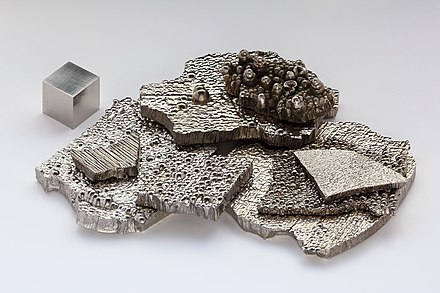
Cobalt, a critical mineral fueling Congo’s conflict (Source: Wikimedia Commons)
💎 Blood Minerals: How Your Phone Powers the Crisis
The Resource Curse
The DRC holds 70% of the world’s cobalt—a key component in smartphones and electric cars—and vast reserves of gold, coltan, and copper. But these “blood minerals” fund armed groups and corrupt officials. A 2023 UN report found that 80% of eastern Congo’s mines are controlled by militias.
Global Complicity
Western tech giants, Chinese mining firms, and Middle Eastern traders all profit from this chaos. While companies pledge “ethical sourcing,” enforcement remains lax. As demand for green energy grows, so does the exploitation.
🌐 International Players: Who’s Fueling the Fire?
Rwanda-Uganda Proxy Wars
Rwanda and Uganda, accused of backing rebel groups like M23, deny involvement. Yet their economies benefit from smuggled Congolese minerals. In 2024, the Ugandan ambassador to the UN called Congo’s allegations “baseless,” but leaked documents suggest otherwise.

Map of the Kivu conflict zone (Source: Wikimedia Commons)
The Silence of Powerful Nations
The U.S., EU, and China prioritize resource access over stability. Sanctions are rare, and peacekeeping missions (like MONUSCO) lack funding and mandate. Meanwhile, civilians pay the price: 6 million dead since 1996, and 26 million in need of aid.
🌟 Can Congo Escape This Cycle?
Grassroots Movements
Local activists, such as Nobel laureate Denis Mukwege, campaign for justice and transparency. Social media has amplified their voices, but threats persist.
The Path Forward
- Resource Transparency: Certify mines and punish illegal trade.
- Accountability: Prosecute warlords and complicit governments.
- Investment in People: Fund education, healthcare, and infrastructure.
💬 What role should the global community play in Congo’s crisis? Share your thoughts below—we read every comment!
Image Credits
- Flag of the DRC – Wikimedia Commons
- Cobalt Mining – Wikimedia Commons
- Kivu Conflict Map – Wikimedia Commons
Comments
Post a Comment