Why Birthrates Are Cratering Globally: Exploring the Causes and Consequences
The global decline in birthrates is quickly becoming one of the most pressing issues of the 21st century, with far-reaching consequences across economics, society, and culture. This decline is not just a statistical anomaly; it reflects a fundamental shift in how societies function. In this post, we will explore the key reasons behind this trend, the challenges it presents, and what we might do about it.
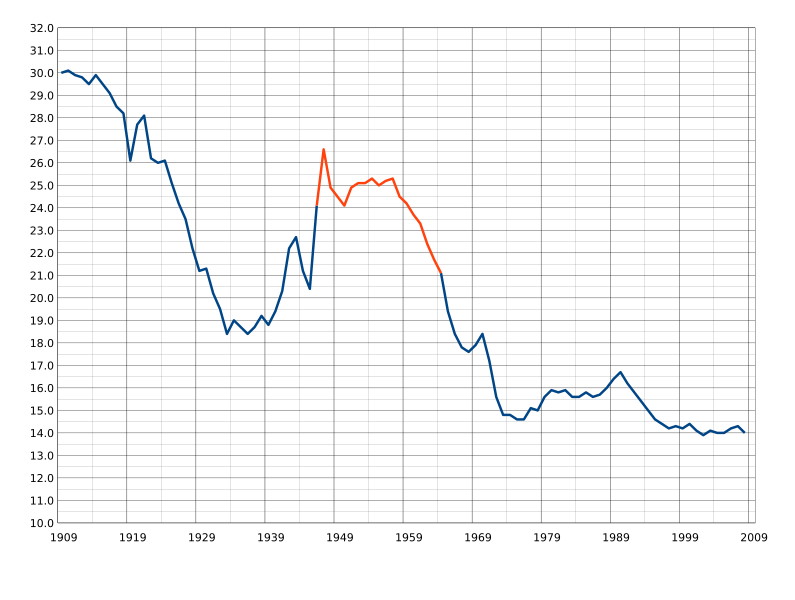
The U.S. Birthrate Crisis: A Long-Standing Trend
In recent years, the United States has witnessed a significant and sustained decline in birthrates. Since 2007, the birthrate has consistently dropped to historic lows, signaling a troubling trend. Politicians and policymakers have started to take notice, acknowledging that this demographic shift could have serious implications for the nation's future.
Political Reactions: Concern About Population Decline
Politicians from various parties have voiced concerns about the declining birthrate, often framing it as a crisis. Some have gone as far as suggesting that a return to more traditional gender roles could be the solution, promoting the idea that increasing the number of children born might require a fundamental shift in social norms. Such remarks, however, have been controversial, with some viewing them as dismissive of personal choices regarding family planning.
Economic Impacts of a Shrinking Population
Challenges to Economic Growth
A shrinking population presents significant economic challenges. While a decrease in population can lead to reduced resource consumption and environmental impact, the economic consequences are complex. A smaller workforce means fewer people paying taxes, which can strain social programs such as Social Security and Medicare. This could ultimately lead to slower economic growth and increasing financial instability.
Political Instability and Rising Anti-Immigrant Sentiment
As native populations decline, many countries turn to immigration to fill labor shortages. However, this can lead to increased anti-immigrant sentiment and political instability. The fear of losing cultural identity or economic opportunities often leads to polarized debates, further deepening social divisions.
A Global Phenomenon: Birthrates Declining Worldwide
The issue of declining birthrates extends far beyond the United States. It is a global trend affecting countries across Europe, Asia, and beyond. In fact, population decline has emerged as one of the most significant demographic shifts of the 21st century. This global phenomenon poses serious questions for governments, businesses, and communities about how to adapt to these changing conditions.
Understanding the Causes of Falling Birthrates
Complex Causes of Declining Birthrates
There are numerous factors contributing to the worldwide decline in birthrates. Economic instability, rising housing costs, changing gender roles, and shifting cultural expectations all play a part. In some countries, women are delaying childbirth in favor of pursuing education and career goals, while in others, financial insecurity makes raising children seem less feasible.
Possible Solutions: What Can Be Done?
Although the causes are complex, solutions are possible. Policies supporting family life, affordable housing, and gender equality could help encourage higher birthrates. However, given the multifaceted nature of this issue, a one-size-fits-all solution is unlikely. Countries will need to tailor their approaches to their unique demographic and economic circumstances.
The Crisis Facing Men: Changing Roles and Expectations
The Masculinity Crisis
The decline in birthrates also intersects with changing expectations for men. As economic opportunities become more uncertain, many men face challenges in securing stable jobs or building wealth. This situation has led to a broader societal discussion about masculinity and the evolving role of men in family life. Traditional expectations of men as sole breadwinners and patriarchs are being redefined, with some viewing this as a crisis for modern masculinity.
Redefining Gender Roles
The shift in gender norms is also central to the conversation around declining birthrates. As society increasingly embraces gender equality, traditional roles for men and women in the family and workforce are being questioned. This redefinition of roles has a profound effect on relationships, marriage, and family formation.
Cultural Factors Influencing Birthrates
Cultural Influence on Family Planning
Cultural factors play a significant role in the decision to have children. In many societies, social expectations around family life are deeply ingrained. In some cultures, women are expected to prioritize family over career, while in others, educational and professional aspirations take precedence. These societal norms greatly influence birthrates, either encouraging or discouraging family formation.
The Role of Love and Equality in Relationships
Love, equality, and mutual respect in relationships are key to fostering stable family environments. In relationships where both partners value each other's well-being and work together as equals, the chances of raising children in a stable and nurturing environment increase. However, in cultures where love is suppressed or undervalued, issues such as marital strife or domestic violence may emerge, ultimately affecting family structures.
The Gender Education Gap: A Growing Concern
Education Disparities: Men vs. Women
Another important aspect of the birthrate decline is the growing education gap between men and women. In many countries, women are making greater strides in education and career advancement, leaving men behind in terms of educational attainment. This imbalance has profound effects on the marriage market, as women with higher education and professional success may be less inclined to marry or have children at a young age.
Social Implications of the Education Gap
The widening gender education gap has significant social implications, particularly for men. As women advance in education and career opportunities, men must adapt to an increasingly competitive environment. Those who struggle to keep up face challenges in their social standing and ability to form families, which further contributes to the decline in birthrates.
Conclusion: The Path Forward
The global decline in birthrates is a complex and multifaceted issue with profound consequences for societies around the world. While there is no simple solution, it is clear that addressing this challenge will require a holistic approach that considers economic, social, and cultural factors. Only by fostering environments where families can thrive will we be able to mitigate the effects of a shrinking population and ensure a stable future for generations to come.
Comments
Post a Comment