🍖 Why does America eat more meat than any other country? Uncover the history, culture, and future trends shaping U.S. meat consumption—plus surprising shifts you need to know! 🌱 #MeatLovers #FoodTrends
Why Does America Eat So Much Meat? History, Trends, and What’s Next 🥩
The United States dominates global meat consumption, with the average American eating over 220 pounds of meat annually. But how did this carnivorous culture develop, and is it sustainable? From colonial farms to lab-grown burgers, let’s dissect the story behind America’s meat obsession—and what it means for tomorrow.
🏞️ Roots of a Meat-Loving Nation: Land, Liberty, and Livestock
Breaking Free from Old World Hierarchies
In 17th-century Europe, meat was a luxury reserved for aristocrats. Peasants subsisted on grains and vegetables. But when settlers arrived in America, they found vast, untamed land. For the first time, even ordinary families could raise cattle, pigs, and poultry. By the 1700s, meat wasn’t just food—it symbolized freedom and opportunity.
Did You Know?
By 1776, Americans consumed 3x more meat than their European counterparts.
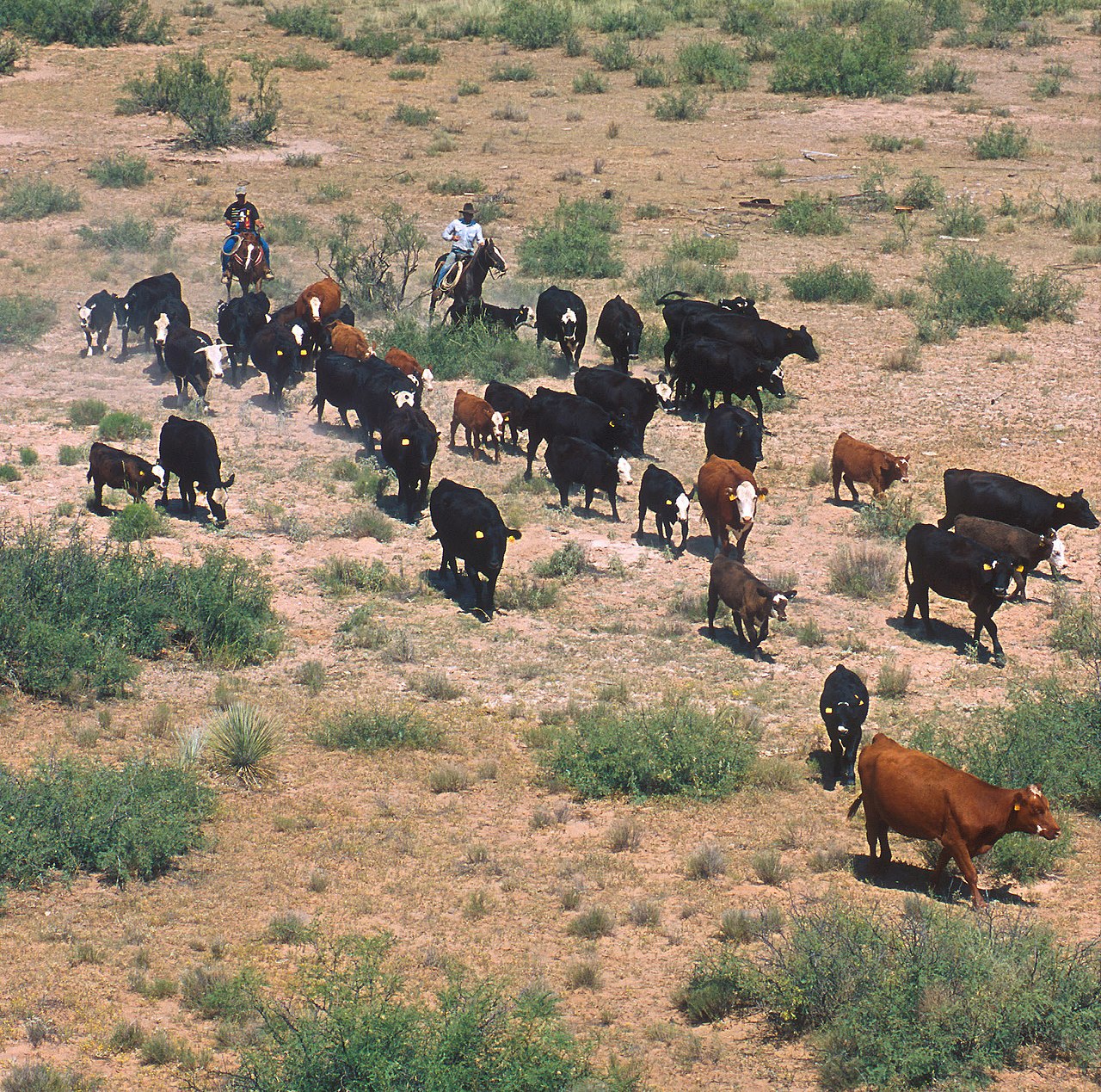
Geography as Destiny: Why the U.S. Became a Meat Powerhouse 🌾
Three key features fueled America’s rise as a meat superpower:
- The Great Plains: Endless grasslands for grazing cattle.
- The Corn Belt: Cheap, abundant feed for livestock.
- Natural Barriers: Mountains and oceans reduced disease risks.

🏭 From Farm to Factory: How Industrialization Changed Meat Forever
The Rise of “Big Meat”
The 20th century turned meat into a commodity. Chicago’s Union Stock Yards became the epicenter of mass production, slaughtering 18 million animals annually at its peak. Innovations like refrigerated railcars made meat a national staple.


Government’s Hidden Hand 🤫
- 1930s New Deal: Subsidies kept meat prices artificially low.
- Corn Subsidies: Cheap feed = cheaper burgers.
- Marketing Campaigns: “Beef: It’s What’s for Dinner” became a cultural mantra.
📉 The Chicken Revolution and the Rise of Flexitarians
Why America Fell in Love with Poultry 🐔
Since 1970, chicken consumption has tripled, while beef declined. Key drivers:
- Health: Lower saturated fat than red meat.
- Affordability: Factory farming slashed costs.
- Convenience: Boneless, skinless cuts fit busy lifestyles.
Plant-Based Boom: Niche or New Normal? 🌱
Beyond Meat and Impossible Foods now dominate grocery freezers, but challenges remain:
- Price: Plant-based burgers cost 2x more than beef.
- Taste: Still can’t mimic marbling and juiciness.
- Perception: 60% of buyers are meat-eaters—not vegans.


🔮 The Future of Meat: 3 Predictions for 2030
- Hybrid Diets: “Blended burgers” (50% meat, 50% plants) gain traction.
- Lab-Grown Meat: FDA-approved cultured chicken hits U.S. stores by 2025.
- Regulatory Pressures: Carbon taxes could make beef a luxury item.
🖼️ Image Credits & Copyright Information
- Cattle Round-Up Image:
- Source: Wikimedia Commons
- Author: Unknown (circa 1903)
- Licensing: Public Domain (No copyright restrictions)
- Chicago Livestock Market Image:
- Source: Wikimedia Commons
- Author: John Vachon (Farm Security Administration)
- Licensing: Public Domain
- Beyond Meat Burger Image:
- Source: Wikimedia Commons
- Author: Beyond My Ken
- Licensing: CC BY-SA 4.0
Join the Conversation!
Are you cutting back on meat or embracing alternatives? Share your favorite protein hack in the comments! 🍗🌿
Comments
Post a Comment