Why Economists Ignore Wealth Inequality: The Hidden Biases in Economic Education
Introduction
📊 Wealth inequality is a pressing issue that destabilizes societies and perpetuates poverty. Yet, economists—experts tasked with analyzing economic systems—often sideline this topic. In Gary’s third economics video, he questions why economic curricula and professionals overlook such a vital problem. This article unpacks the systemic reasons behind this blind spot, from university education to flawed models, and how you can help drive change.
The Problem with Economic Education 🎓
Modern economics programs prioritize mathematical rigor over real-world issues like housing crises, wage stagnation, and declining living standards. Students are filtered based on math proficiency, sidelining those with diverse perspectives. As a result, debates on inequality rarely occur in classrooms.
“Economics has become a game of equations, not empathy. We model averages, not actual people.”
How Mathematical Models Erase Inequality ➗
Economic models simplify reality to predict outcomes. The most common—representative agent models—use a hypothetical “average person” to represent entire populations. But averages ignore disparities:
- Example: If the “average” household earns $70,000, the model overlooks the billionaire earning $1 billion and the worker making $30,000.
- Consequence: Policies designed for the “average” often worsen inequality.
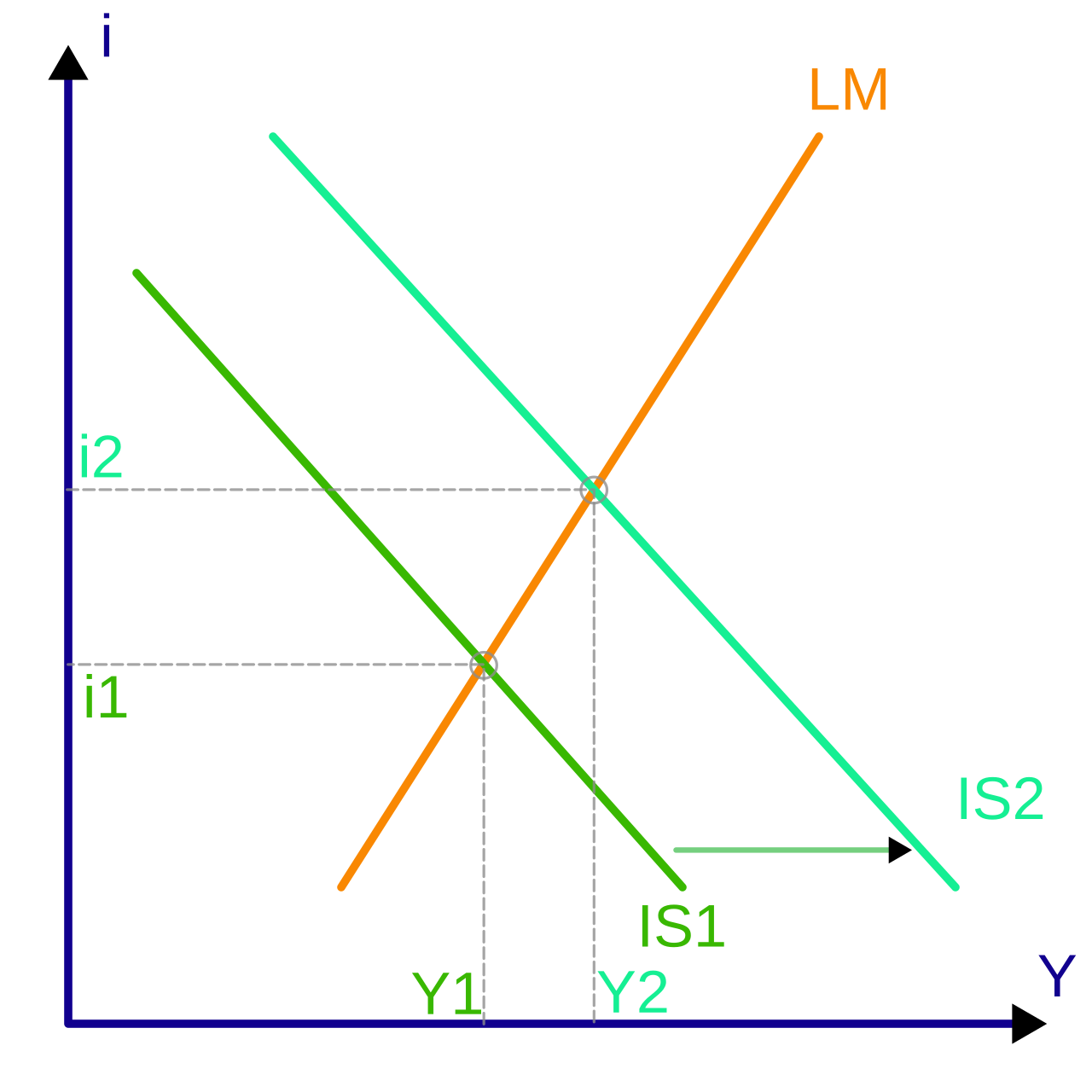
Uploaded by Jdevine at en.wikipedia • CC BY-SA 3.0
Why Economists Don’t See the Flaws 🔍
Becoming an economist requires a Ph.D.—a decade-long journey immersed in these models. By graduation, economists internalize the belief that inequality is irrelevant to growth. Challenges to this worldview face resistance:
- Case Study: When French economist Thomas Piketty highlighted inequality in Capital in the Twenty-First Century, mainstream economists dismissed his work as “non-technical.”
The Elite Bubble of Academia 🏛️
Economic academia is dominated by scholars from affluent backgrounds. Their lived experiences—and financial security—shape what they prioritize:
| Factor | Impact |
|---|---|
| Wealthy Upbringing | Less urgency to address poverty |
| Model-Driven Training | Trust in abstract math over lived realities |
| Career Incentives | Prestige tied to publishing in technical journals |

Photo by Shani Heckman • CC BY 2.0
When Predictions Fail (And Why It Matters) 📉
Economists struggle to predict crises like the 2008 recession or rising inflation. These failures stem from models that ignore inequality’s destabilizing effects. For instance:
- Interest Rates: Models assuming “rational” behavior failed to anticipate post-2008 stagnation.
- Housing Markets: Ignoring wealth gaps led to policies favoring homeowners over renters.
How Finance and Academia Diverge 💼
While finance rewards accurate predictions (e.g., hedge funds), academia prioritizes theoretical elegance. This divide discourages economists from addressing real-world issues like inequality.
What You Can Do 🛠️
Systemic change starts with awareness. Here’s how to contribute:
- Educate Yourself: Follow researchers like Thomas Piketty, Joseph Stiglitz, and Mariana Mazzucato.
- Demand Curriculum Reform: Advocate for courses on inequality in local universities.
- Amplify Marginalized Voices: Share stories of those impacted by economic policies.
Final Thoughts 💡
Economics isn’t just about numbers—it’s about people. By questioning flawed models and amplifying diverse perspectives, we can reshape the field to prioritize justice over jargon.
References & Further Reading 📚
Image Credits
- IS-LM Model Diagram (CC BY-SA 3.0)
- Homelessness in San Francisco (CC BY 2.0)
Comments
Post a Comment