Why Urban Traffic is Getting Worse: The Role of Remote Work, Ride-Hail Services, and Changing Commuting Patterns
Why Urban Traffic is Getting Worse: The Role of Remote Work, Ride-Hail Services, and Changing Commuting Patterns
Introduction
Urban traffic has been steadily worsening over the past few years, defying initial expectations for reduced congestion. After a temporary decline in vehicle use, many hoped for permanent changes that would ease the burden of city traffic. However, with the rise of ride-hail services, more remote work opportunities, and evolving commuter habits, traffic has become more congested than ever. This post explores why urban traffic is getting worse and the various factors contributing to this growing problem.
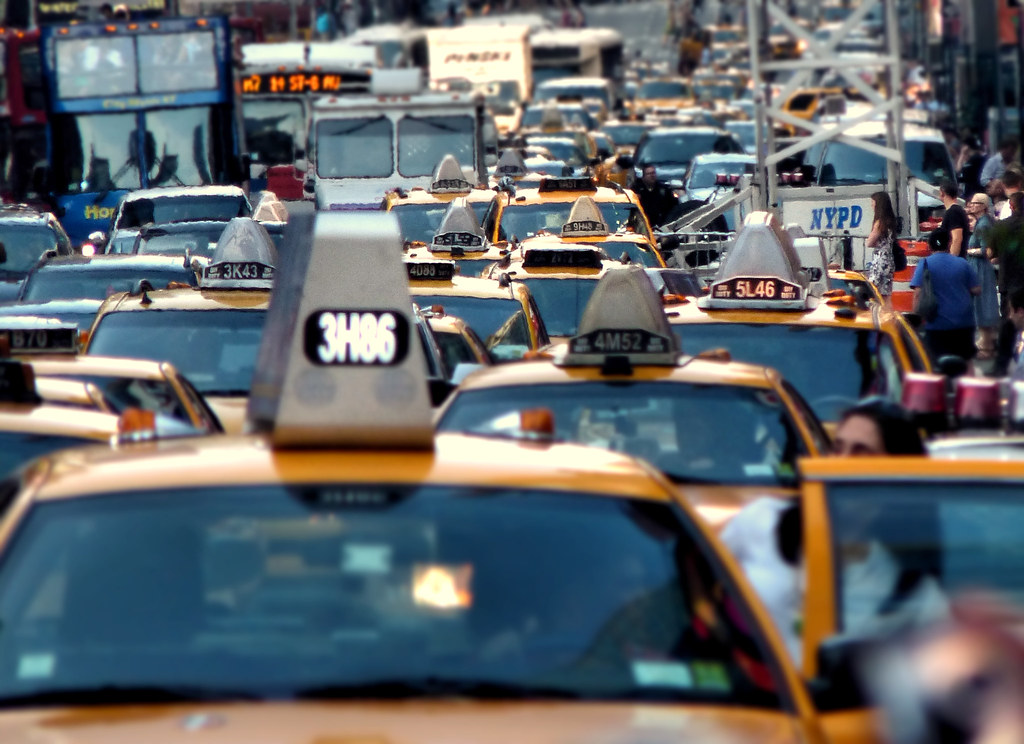
copyright by joiseyshowaa CC BY-SA
Pandemic's Initial Impact on Traffic
When the COVID-19 pandemic hit, cities saw a drastic drop in traffic volume. Streets that were usually jammed with vehicles were suddenly empty. This temporary relief led many to believe that cities could become more pedestrian- and cyclist-friendly, with reduced vehicle use making room for green spaces and safer public areas. Cities like Paris and New York even experimented with car-free zones during this period, leading to hopes that these changes might become permanent.
However, as restrictions eased and life returned to some sense of normalcy, the optimism around reduced traffic quickly faded. Traffic volumes are now even higher than they were before the pandemic, with people returning to old commuting habits and adopting new ones.
The Role of Data and Research in Understanding Traffic Trends
To truly understand the causes behind the worsening traffic, research and data play an essential role. Reports from companies like StreetLight, which analyze traffic patterns using GPS and location data, provide valuable insights into changes in urban mobility. According to their findings, Vehicle Miles Traveled (VMT) have increased significantly beyond pre-pandemic levels, suggesting that the initial traffic decline was short-lived.
Psychology Behind Transportation Choices
Why do people choose to drive when alternative modes of transport are available? The answer is not always simple. The psychology behind transportation choices is influenced by factors such as convenience, safety, and comfort. While public transport and cycling are viable alternatives, many people still prefer the perceived security and privacy of their personal vehicle. Understanding these deep-rooted psychological factors is crucial in addressing traffic congestion, as simply providing alternatives may not be enough.
Ride-Hail Services and Their Impact on Traffic
Services like Uber and Lyft were once seen as solutions to reduce car ownership, but they’ve contributed to increased congestion in urban areas. Unlike traditional taxis, ride-hail vehicles often drive empty between rides, adding to the overall traffic. Studies suggest that these services can increase VMT by 20-25%, exacerbating the problem of congestion.
The rise of ride-hail services has also decreased the demand for public transport, with fewer people opting for buses and trains. As more people rely on personal vehicles and ride-hail services, traffic continues to intensify, with cities struggling to manage the increased number of vehicles on the road.
New York City: A Case Study in Worsening Traffic
New York City has experienced some of the most significant traffic congestion increases. Once known for its heavy reliance on public transport, the city has seen a sharp rise in the use of personal vehicles. In 2019, only 24% of commuters used personal cars to enter Manhattan; by 2022, this number had risen to 29%. This shift reflects a broader trend across many cities where people are choosing personal vehicles over public transport, despite efforts to reduce car dependence.
Additionally, ride-hail services like Uber and Lyft have further contributed to traffic woes in New York City. These services are now a common sight in city streets, often adding to the congestion.
The Complexities of Vehicle Ownership and Traffic Congestion
One major factor contributing to worsening traffic is vehicle ownership. While there was a temporary surge in car purchases during the pandemic, this was largely due to supply chain disruptions rather than a permanent shift in consumer behavior. Vehicle ownership, in general, has remained steady, and many people continue to rely on personal vehicles for commuting.
With the rise of remote work, fewer people are using public transportation. For example, subway ridership in New York City dropped significantly from 2.7 billion rides in 2019 to 2 billion in 2023. As a result, more people are turning to personal vehicles, further exacerbating traffic congestion.
The Psychological Impact on Public Transport Use
The COVID-19 pandemic instilled a sense of fear and stress that has affected people’s willingness to use public transport. Studies have shown that individuals who used public transportation less during the pandemic report higher levels of stress. This psychological barrier makes it difficult to encourage people to return to public transit, even as restrictions ease.
Research using virtual reality simulations has found that the thought of returning to crowded buses and trains triggers anxiety for many. This makes it harder to shift commuters away from personal cars back to public transportation.
Remote Work and Its Effect on Traffic Patterns
Remote work has had a lasting impact on commuting habits. While fewer people are commuting to offices every day, those who do work from home are more likely to travel for non-work-related reasons. According to research from UC Berkeley, remote workers are more likely to engage in additional travel on their days off, contributing to higher traffic volumes during non-peak hours.
Traditional transit systems were designed around peak commuting times, but the rise of remote work has led to a shift in travel patterns. This new reality calls for a reevaluation of how cities plan their transportation infrastructure.
Conclusion: A Multifaceted Traffic Problem
The worsening of urban traffic is not caused by a single factor but by a complex interplay of factors, including the rise of ride-hail services, increased e-commerce deliveries, the decline in public transport usage, and the effects of remote work. As cities explore solutions like congestion pricing and infrastructure improvements, it will be crucial to consider all of these elements to develop effective policies that can reduce congestion and improve urban mobility.
Comments
Post a Comment